Industrial Laser Cleaning Machines for Manufacturing & Maintenance

MAXWAVE industrial laser cleaning machines remove rust, paint, coatings, oxide and process residue from metal parts, molds and machinery. Built for fabrication plants, maintenance teams, surface preparation contractors, mold shops and OEM distributors.

The part picks the machine. Material, thickness and the layer to remove decide pulsed or continuous light, then the power level and the form factor for your workshop or job site.

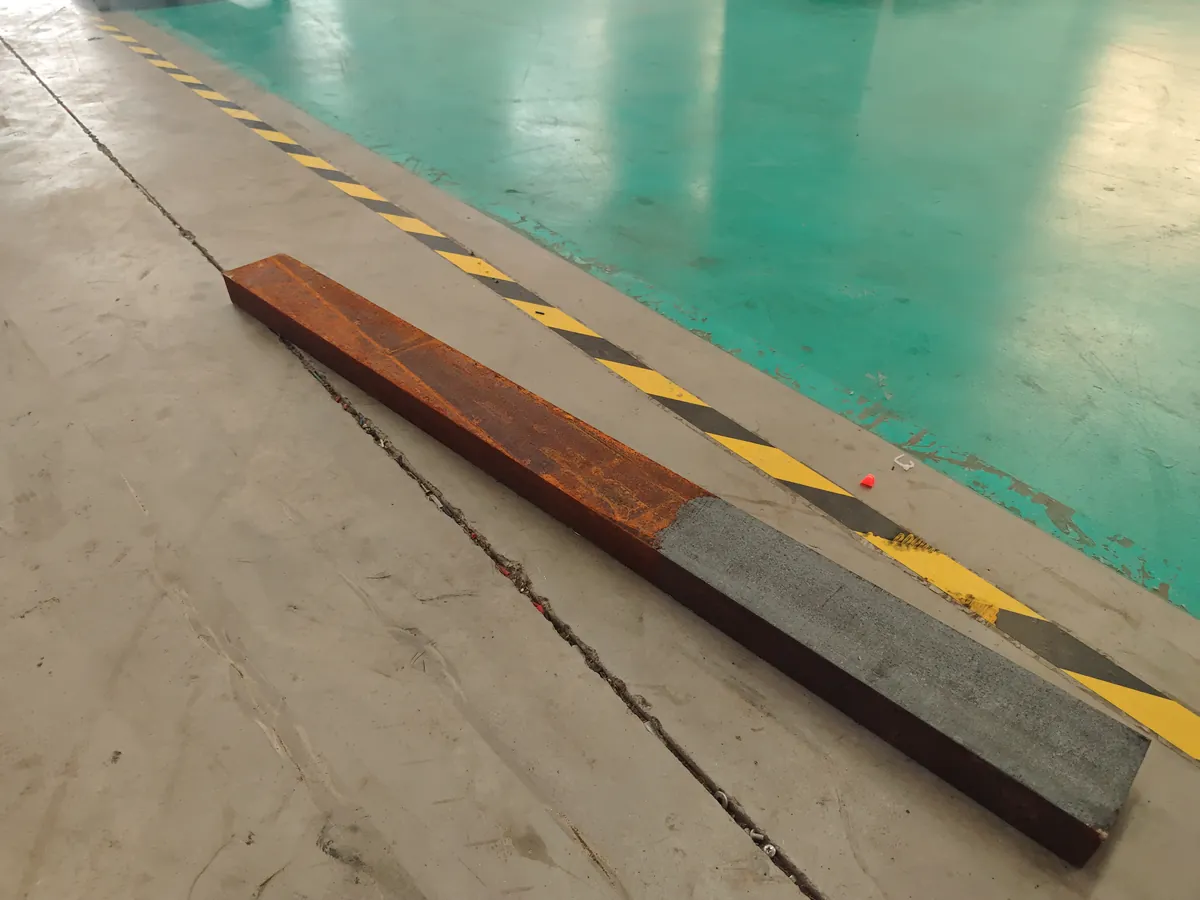
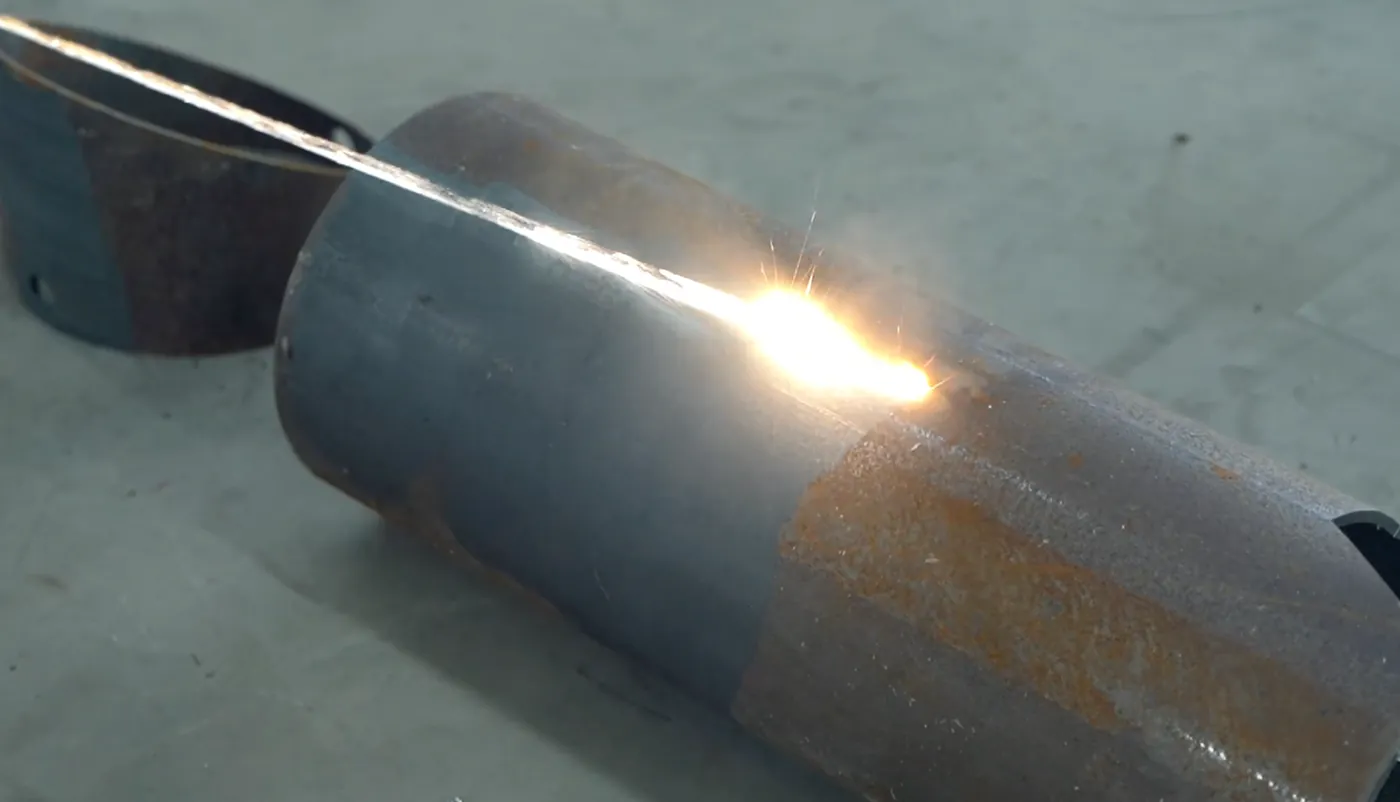
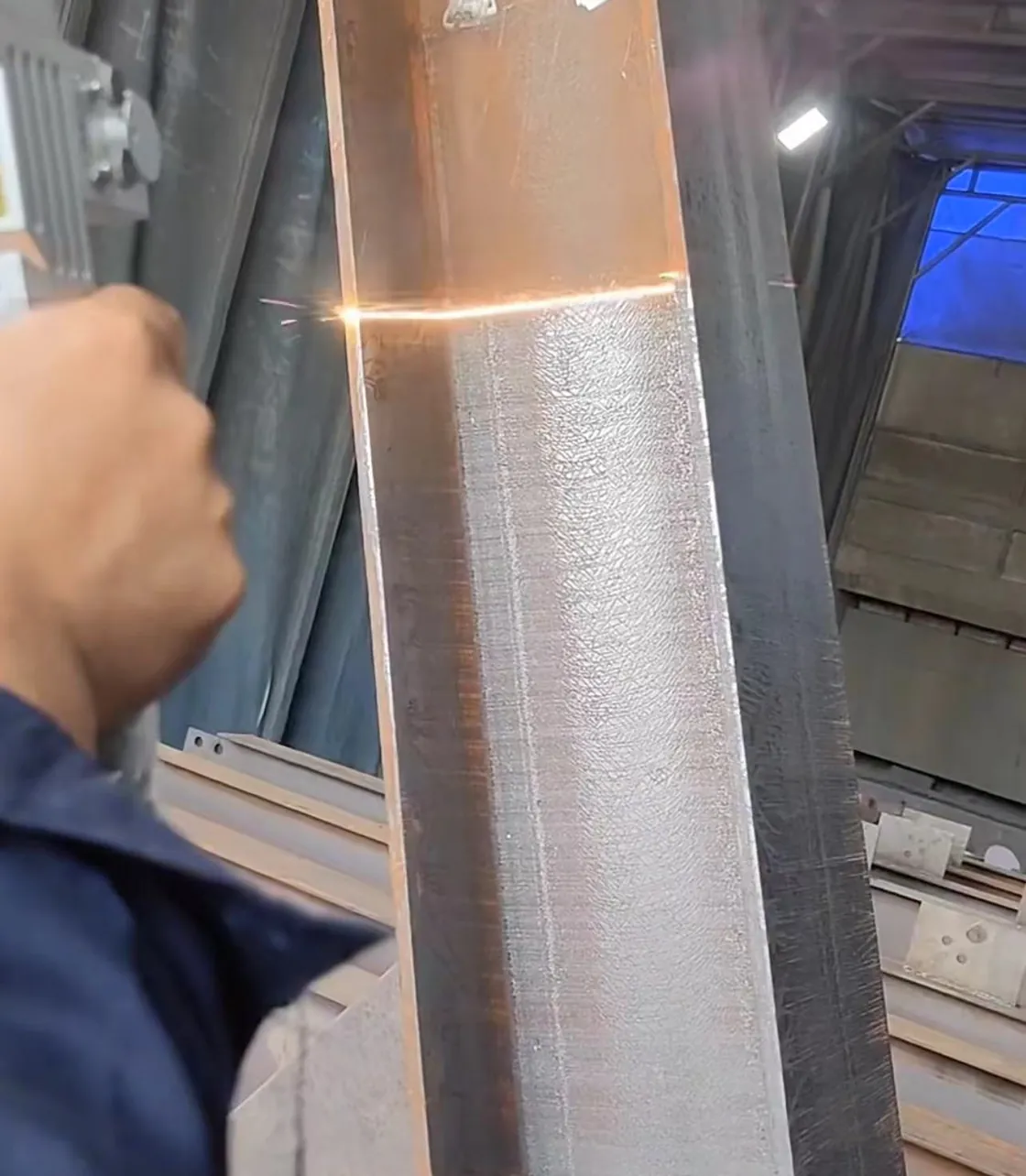
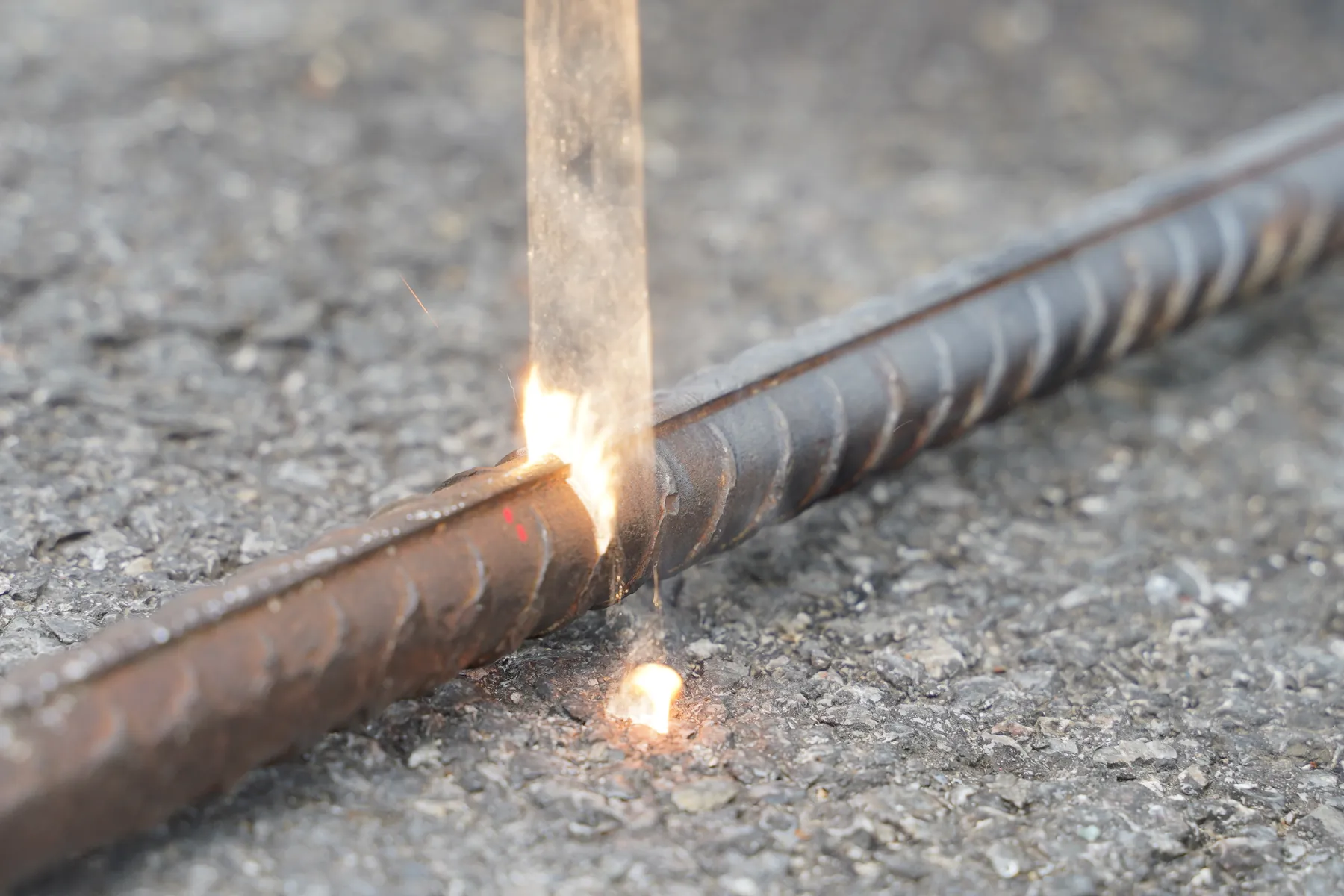
Industrial laser cleaning machine beam removing rust from a steel rebar, rusted steel left of the beam and cleaned steel right Before After
Pulsed laser on rebar: the beam line is the boundary between rust and cleaned steel.
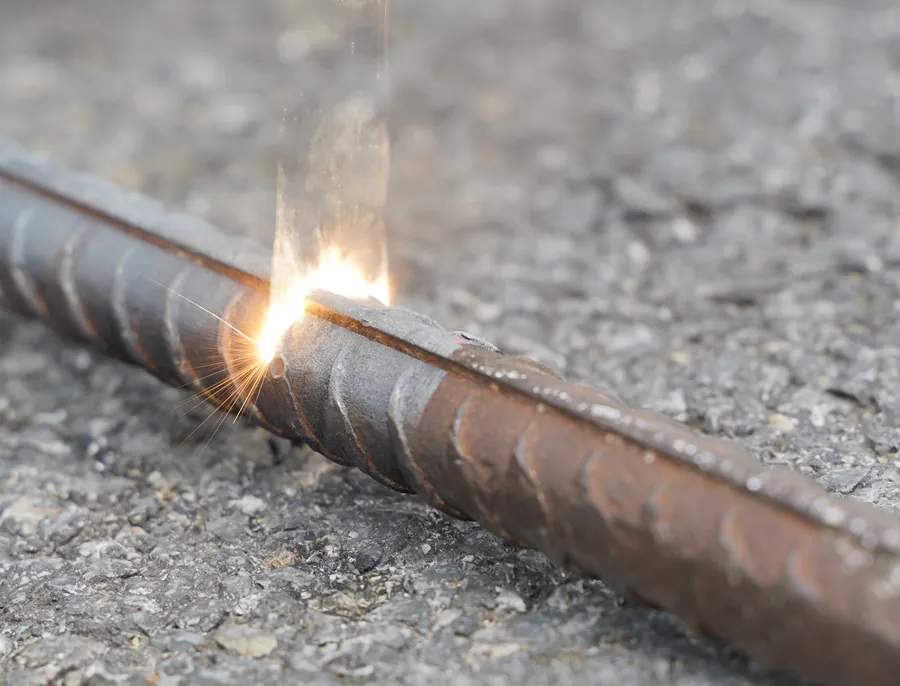
Close-up of laser cleaning on ribbed steel bar
Rebar, mid-pass
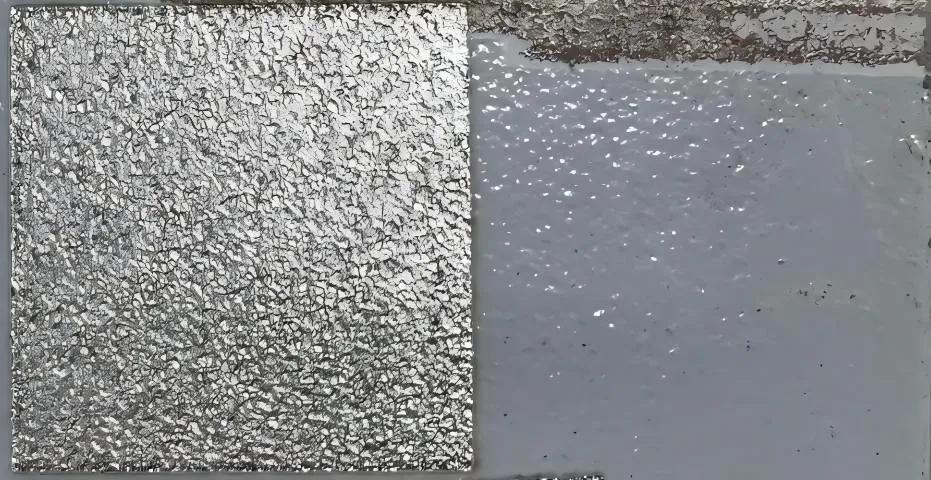
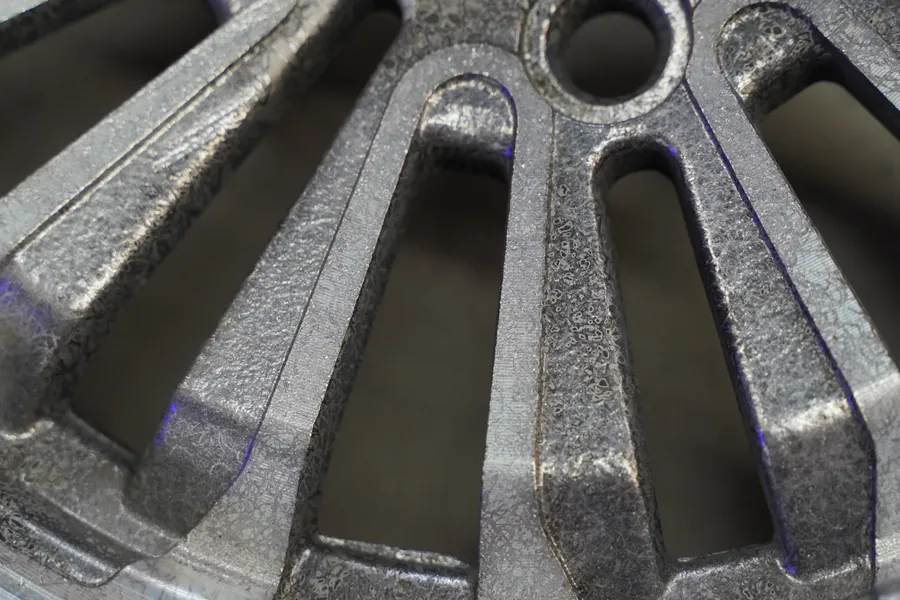
Wheel hub spokes with process residue before laser cleaning
Hub residue
  • Pulsed fiber 1064 nm and continuous fiber 1080 nm
  • Four lines from 100 W pulsed to 3000 W continuous
  • Air-cooled and water-cooled options
  • Pre-shipment and remote video inspection

Rust Removal and Paint Stripping on Steel

The two jobs most buyers bring first. In both, the part under the layer decides which industrial laser cleaning machine fits, not the layer itself.

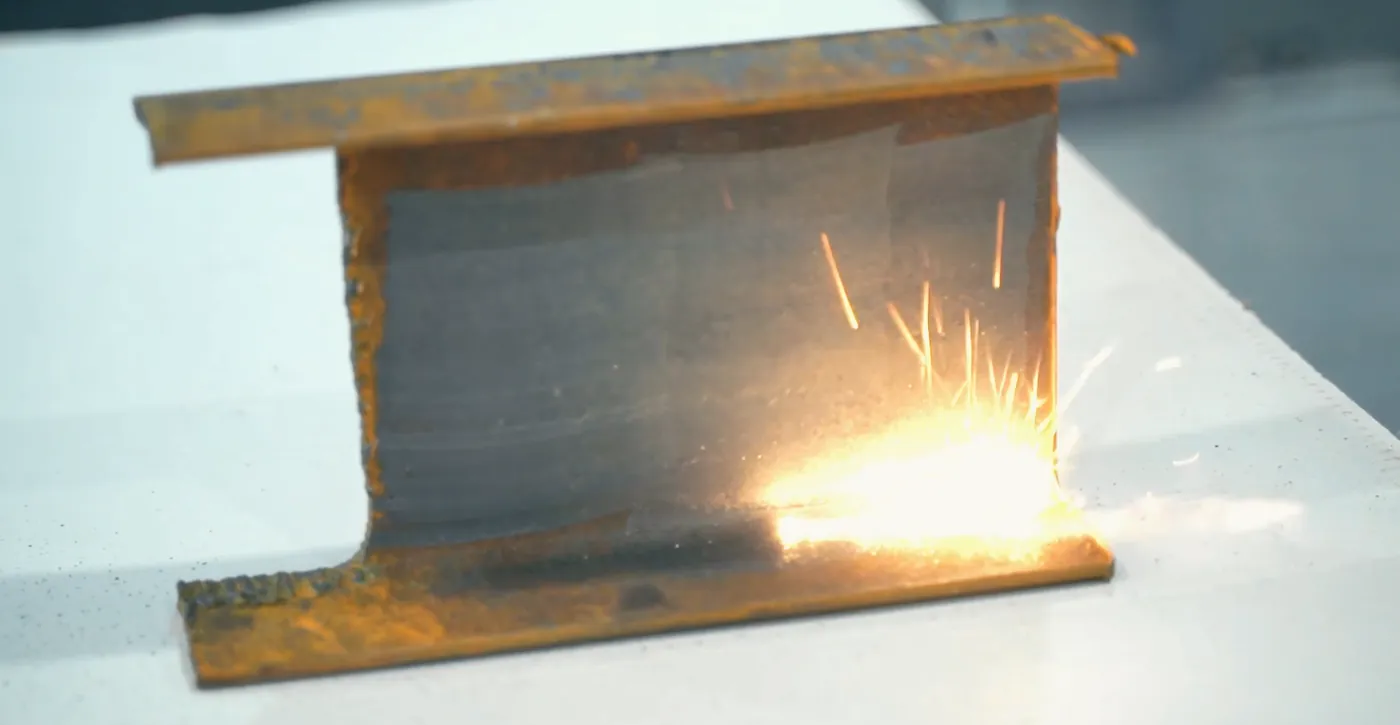
Industrial laser cleaning machine stripping rust from a steel I-beam sectionBefore

Rust and scale on steel and iron

Machined parts, fabricated frames, beams and heavy structures. On thin sheet and finished parts, a pulsed unit removes the rust in two passes and leaves no residual powder on the surface.

Thin, finished
Pulsed MW-LY cabinet or MW-LC portable
Heavy, wide
Continuous MW-LCW for large areas of structural steel
Limit
Rust deep in recesses the beam cannot see will not clean. That shows up in your photos and is flagged before quoting.
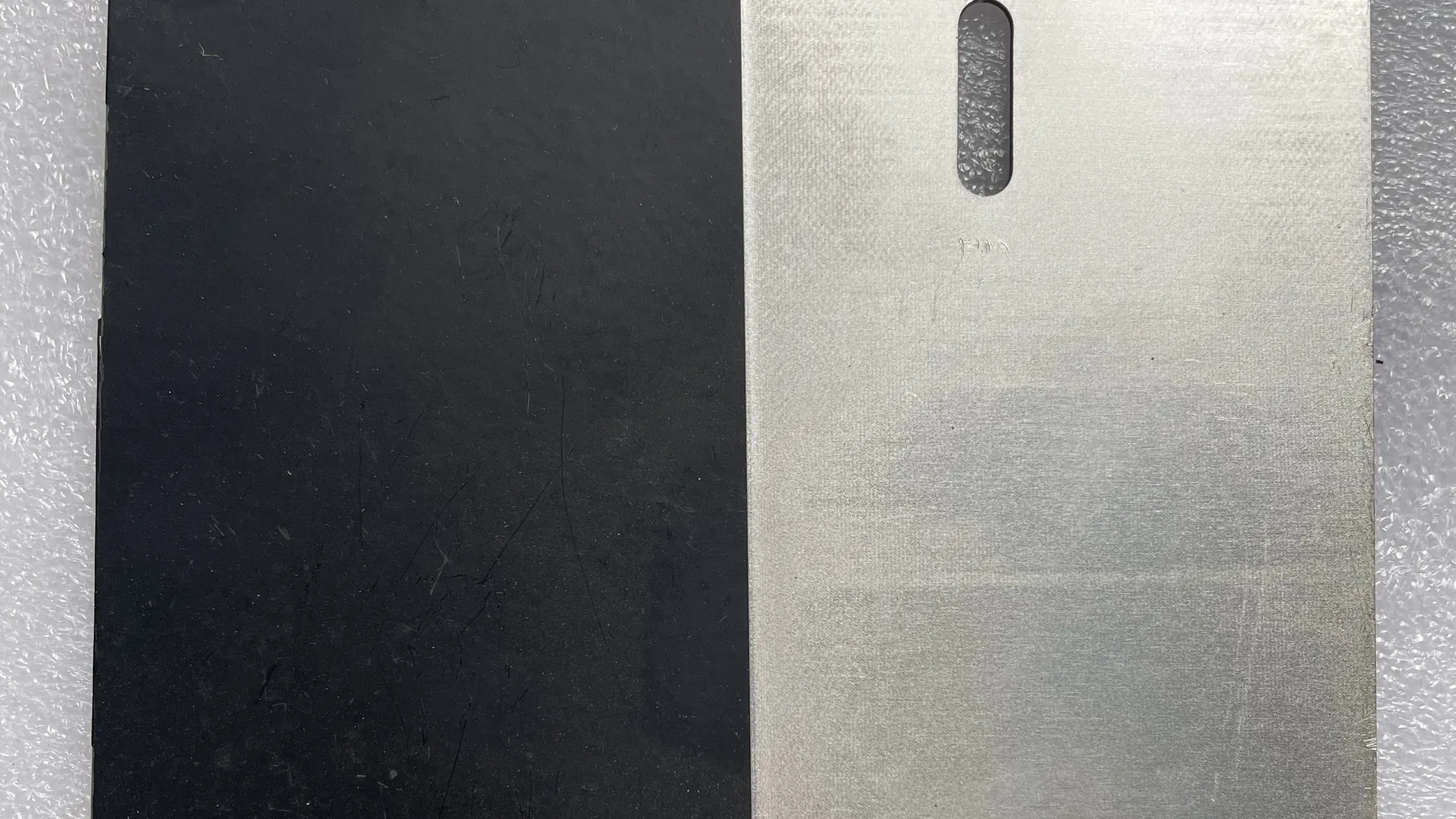
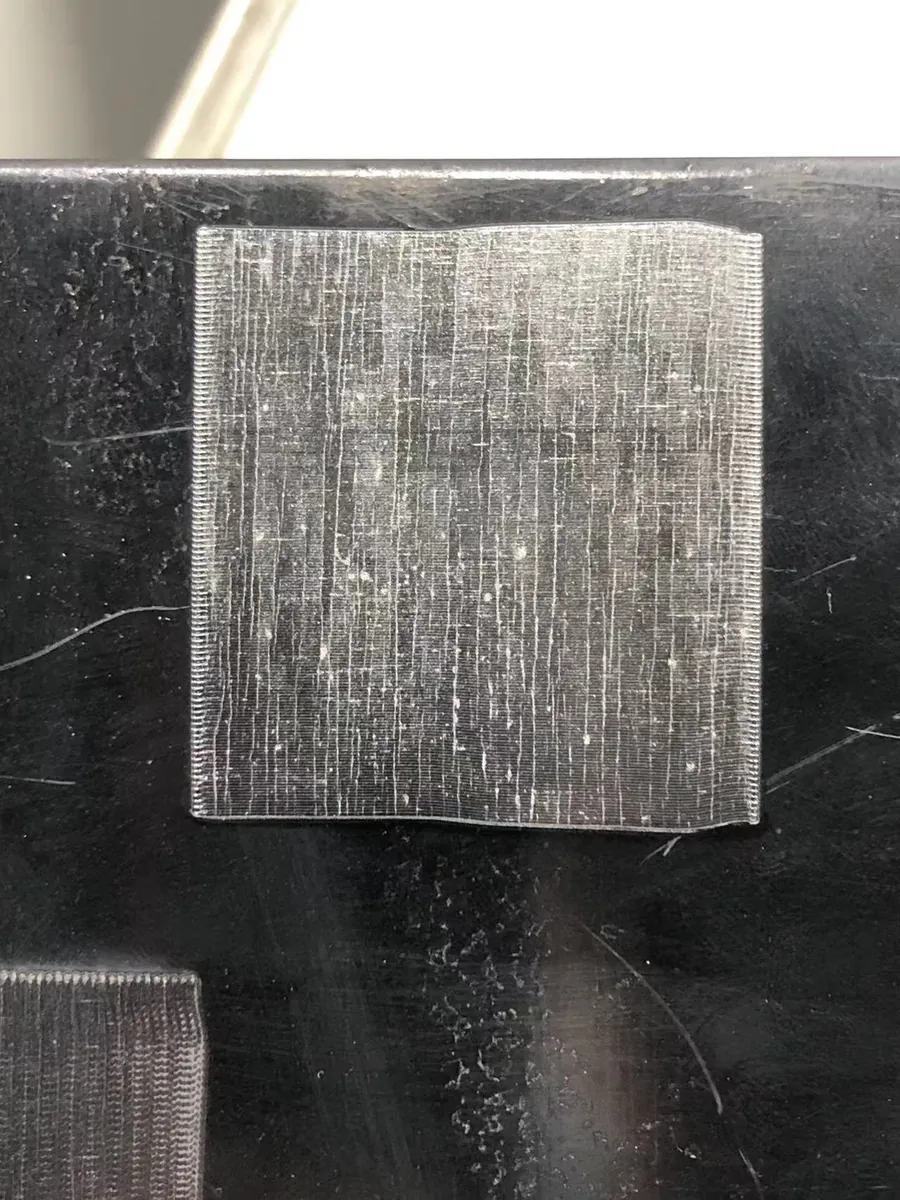
Steel plate with black paint on one half and the laser cleaned bare steel on the otherBeforeAfter

Paint, primer and industrial coatings

Stripped from metal before repainting, inspection or repair. The beam scans over the coating and removes the layer with no abrasive media and no solvents.

Under 4 mm
Pulsed line. Continuous paint removal may distort thin panels
Heavy steel
Continuous MW-LCW for thick coatings
Decides
The substrate thickness, then the coating system
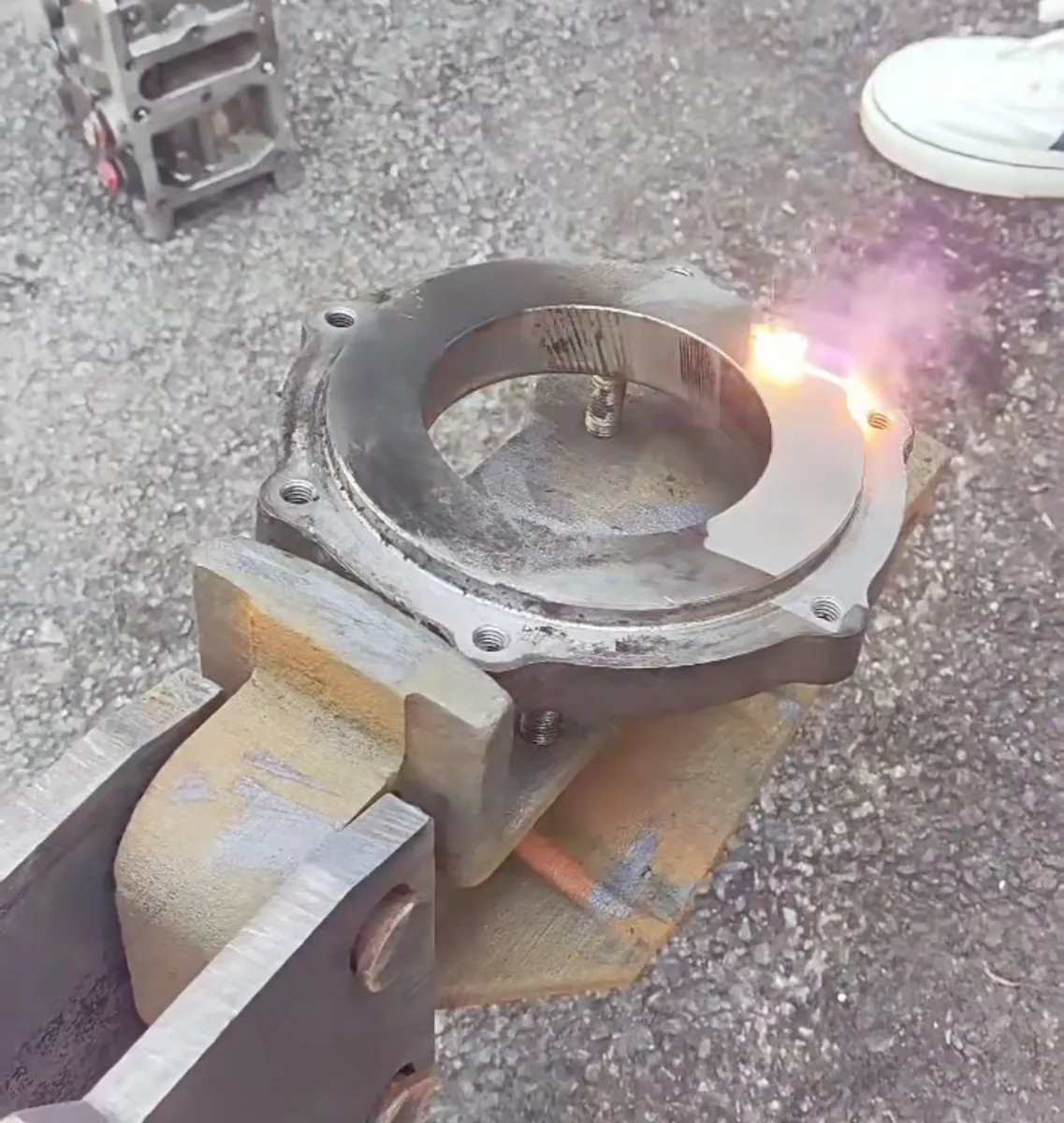
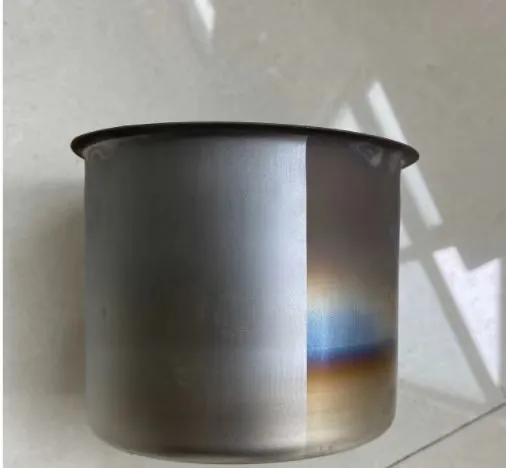
Pulsed laser cleaning oxide from a machined metal part held in a vise
Oxide film on a machined part
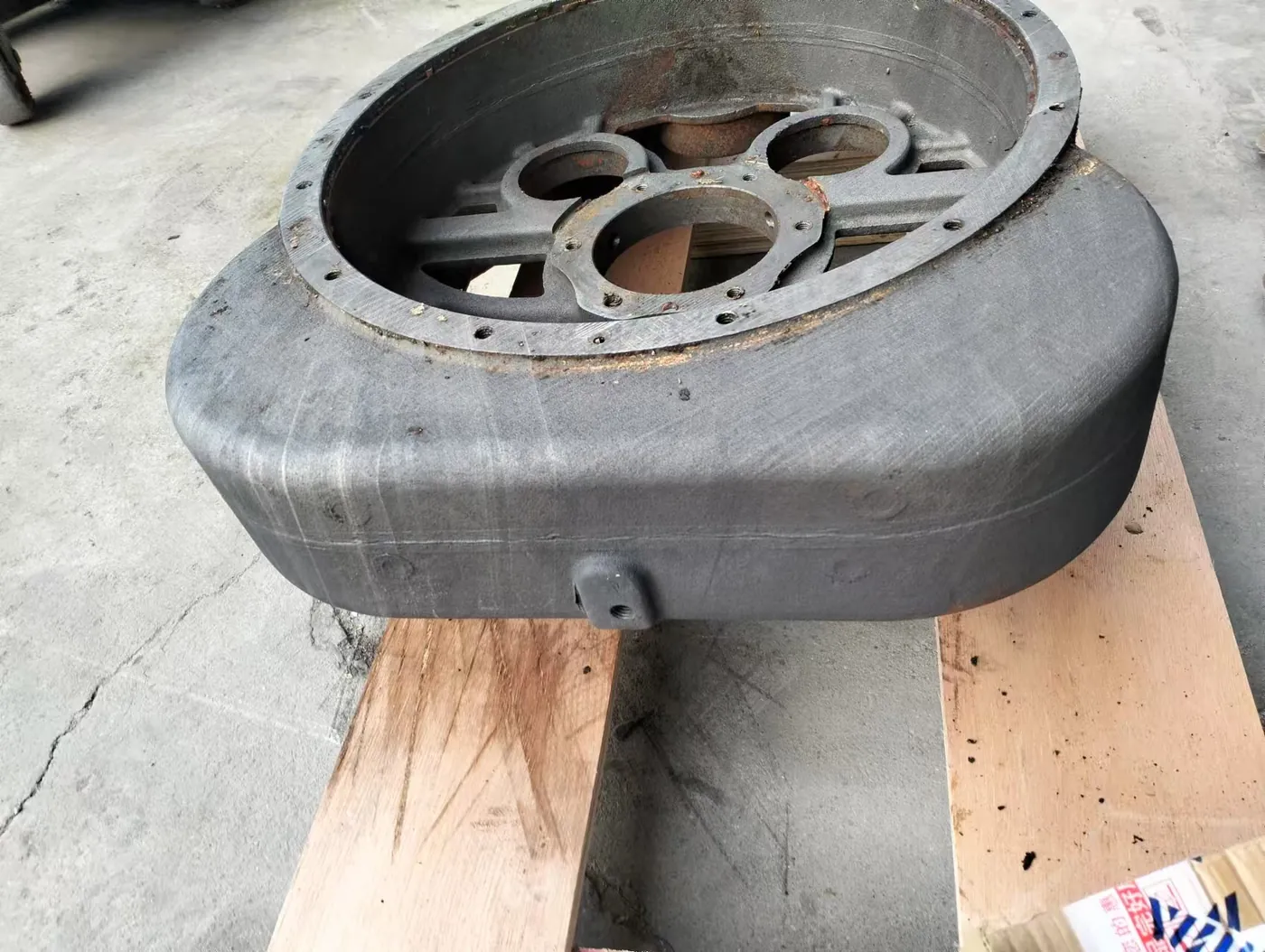
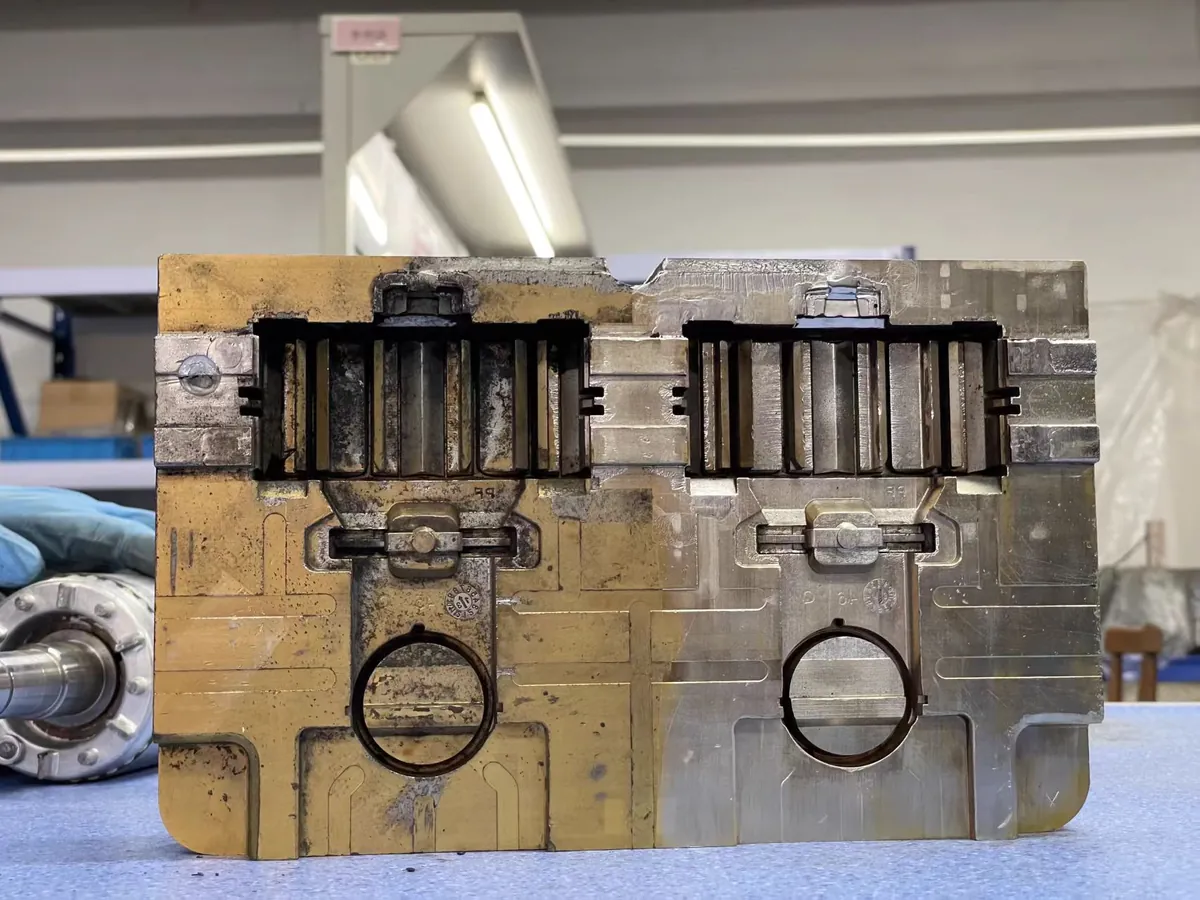
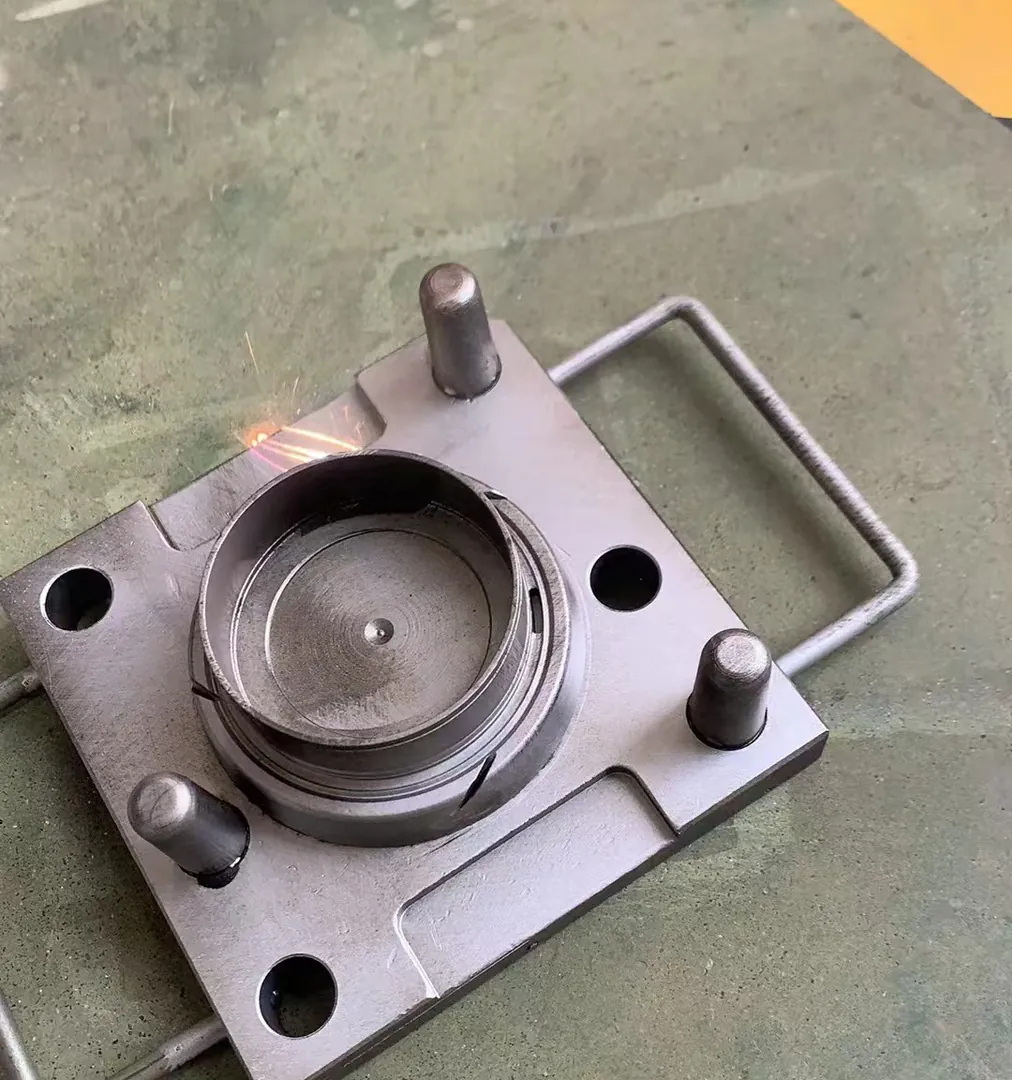
Mold housing with release agent and carbon residue before laser cleaning
Residue on a mold housing

Oxide, Weld Preparation and Mold Residue

Thin layers on finished or near-finished parts. Heat is the risk here, so the default answer is pulsed light.

Pulsed: standardCW: thick plate welds

Oxide films, heat tint and weld discoloration

On stainless steel, carbon steel and aluminum, and on joint areas before welding. Low heat input keeps the cleaned zone close to the base-metal color. Large structural welds on thick plate can go to a continuous machine.

Joint preparation and post-weld cleaning
Pulsed cabinet or portableOil: judged from photos

Mold release agent, rubber, carbon and oil

Pulsed cleaning removes these with no abrasive contact on the cavity surface; scan width and power are set to the cavity detail. Oil- and grease-covered machinery can be laser cleaned too, and the deposit thickness decides the setup.

Laser mold cleaning machine setups

Pulsed Light for Thin Parts, Continuous Light for Heavy Steel

Two rust jobs can look the same in a photo and still need different machines. The part under the rust makes the difference.

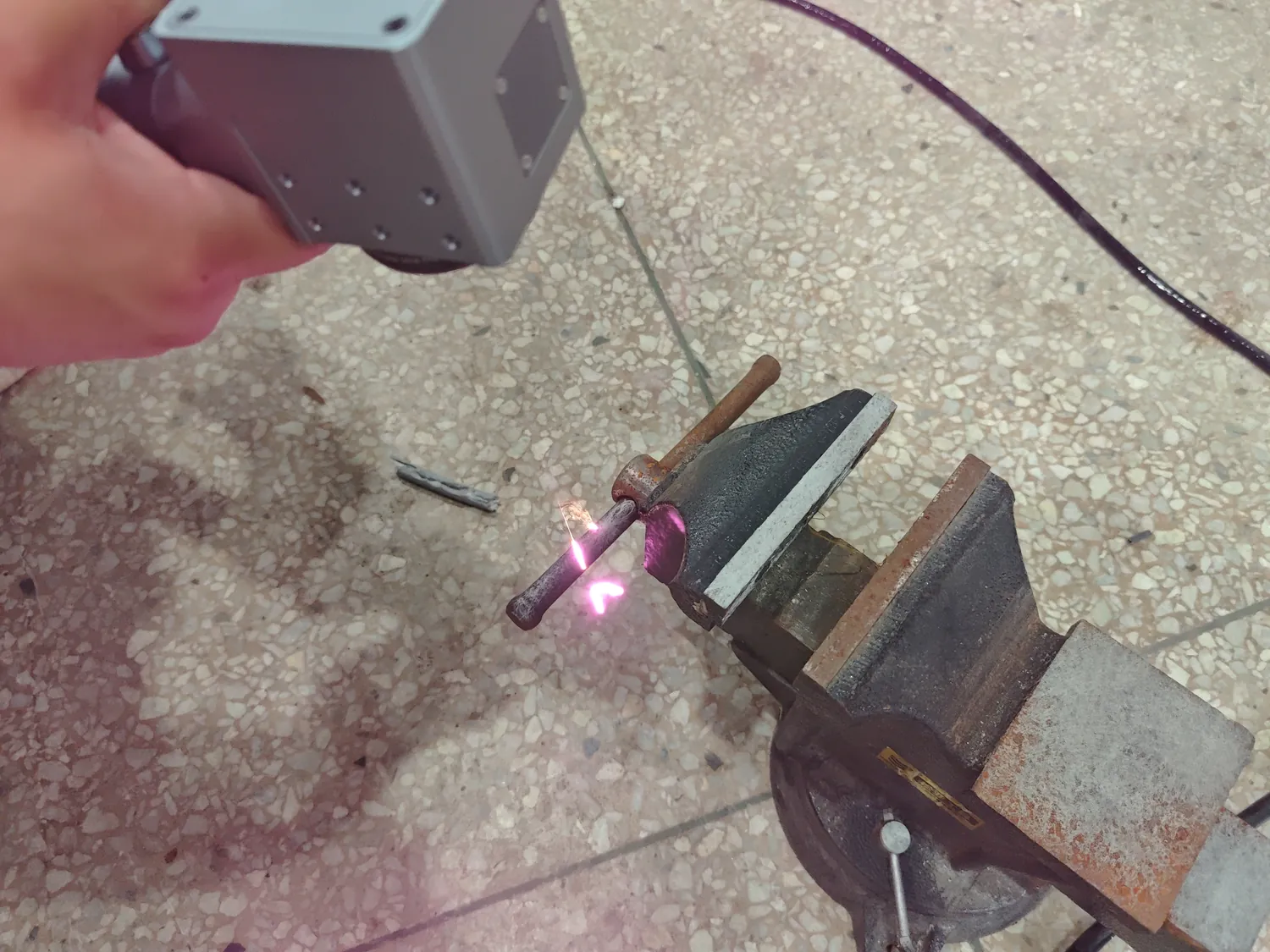
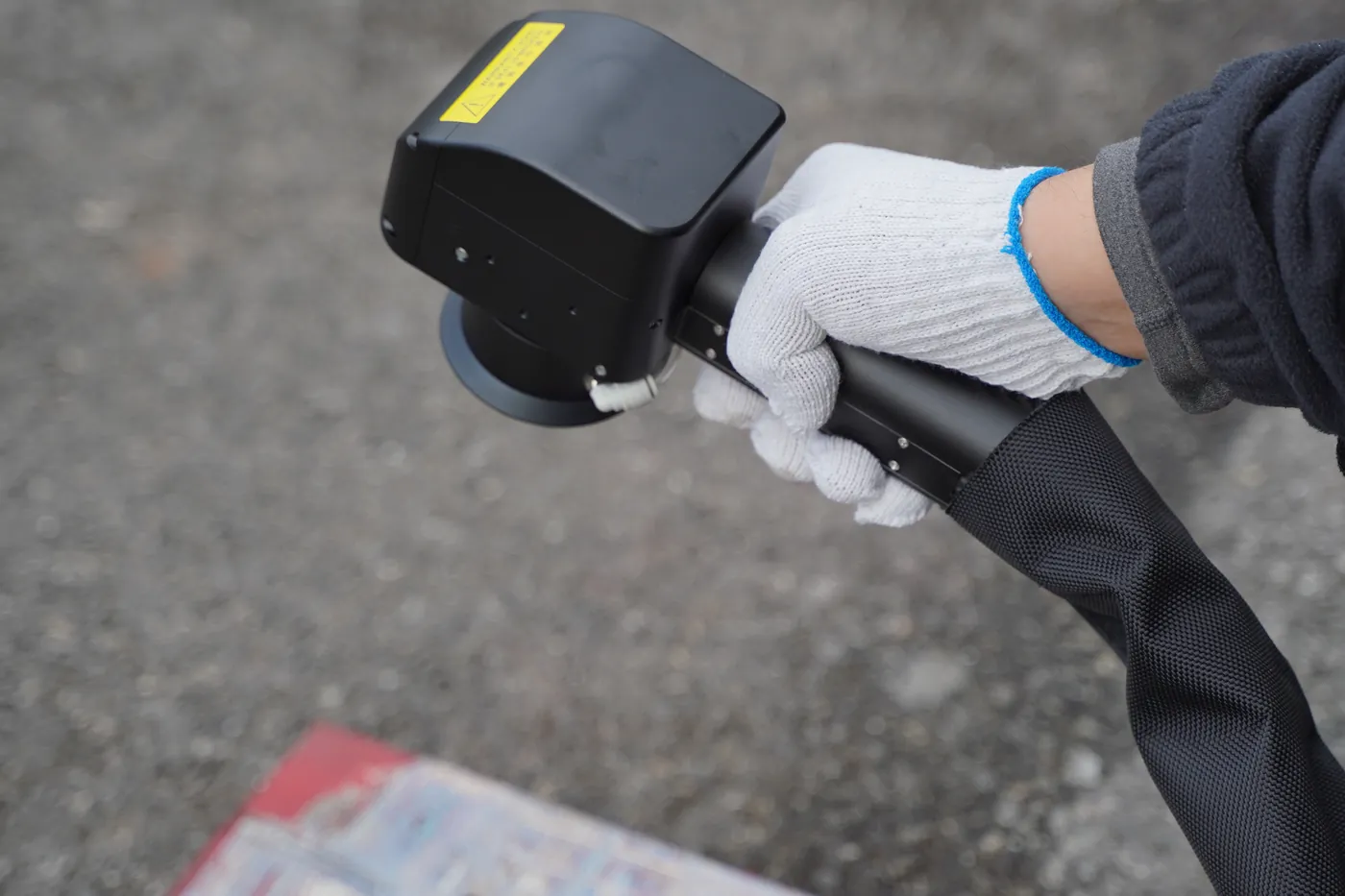
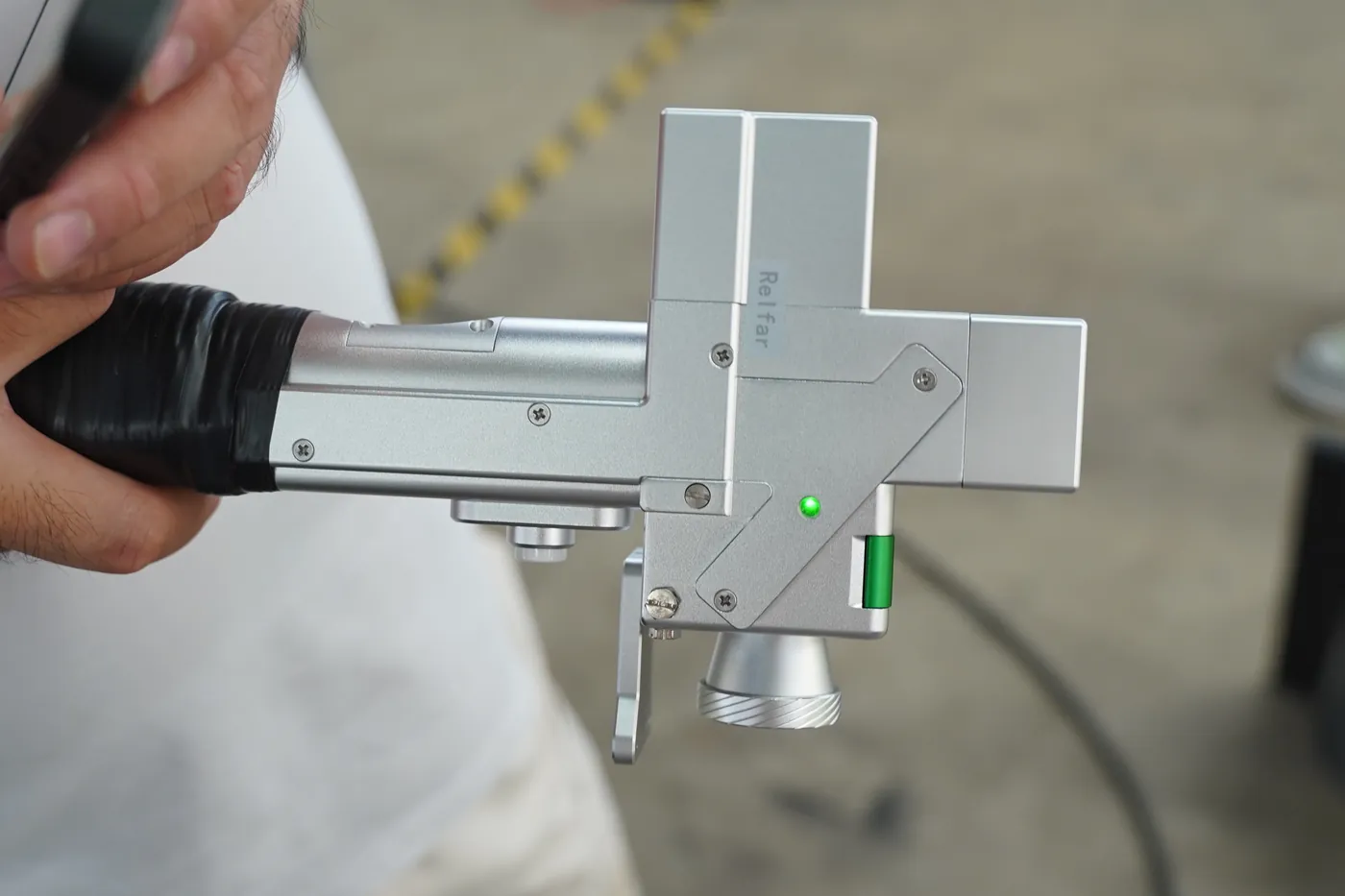
Handheld pulsed laser cleaner head working on a rusted steel rod in a vise
MW-LY pulsed · 1064 nm

Energy in short bursts

  • Pulse width 13 to 500 ns, frequency up to 3000 kHz (4000 kHz on LY400 and LY500)
  • Each pulse removes a thin slice; the part sheds heat between pulses
  • Specified for thin sheet, precision parts, molds and high-value components
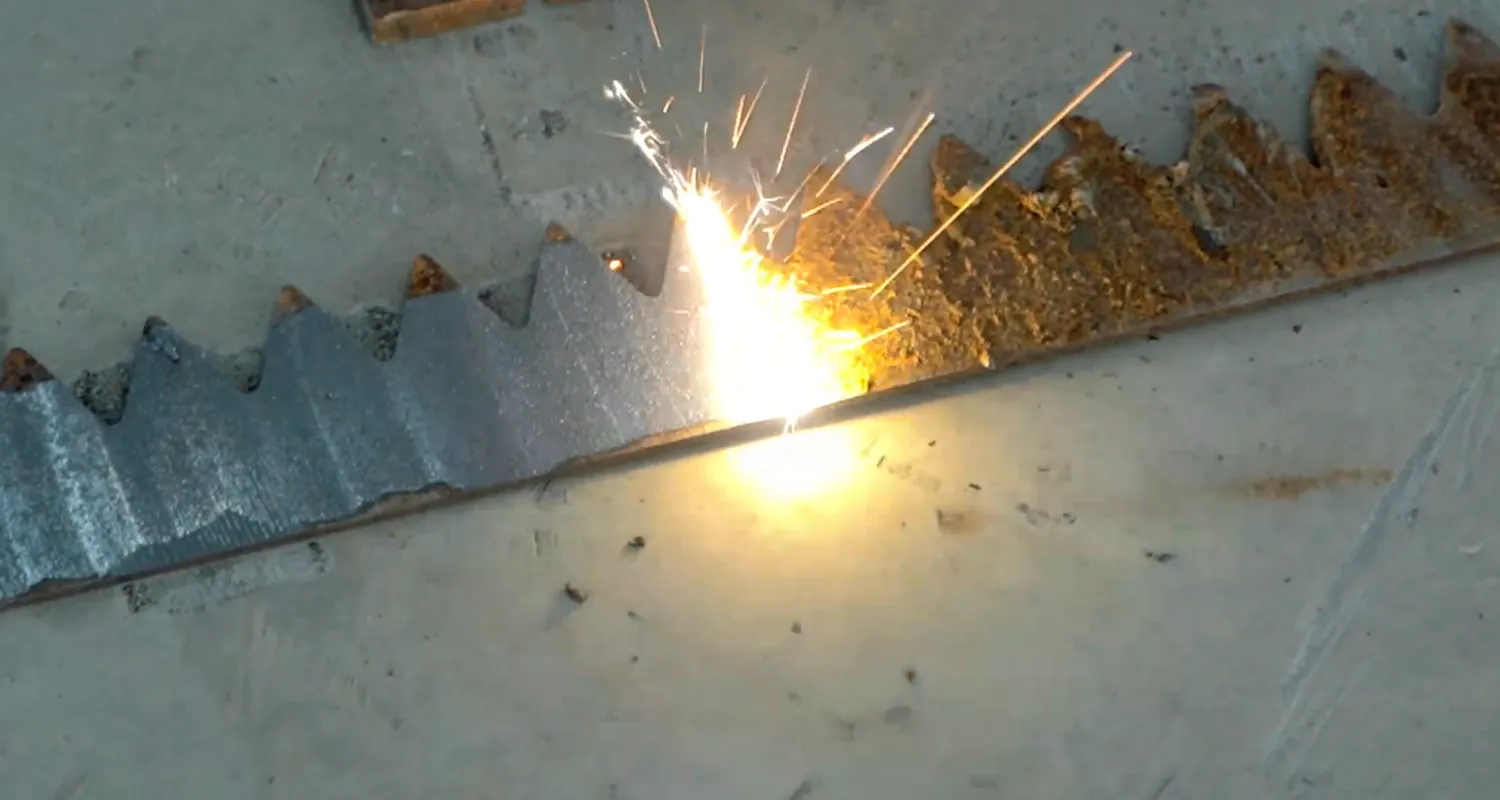
Continuous laser cleaning machine removing heavy rust from a steel saw blade
MW-LCW continuous · 1080 nm

Energy without interruption

  • 1500 to 3000 W on the specification sheets, far more energy per second
  • On thick plate and steel structures, the part's own mass absorbs the heat
  • Water-cooled for long shifts on large surfaces, where output rate is what you pay for
4 mmTHE THIN-END LIMIT

Below 4 mm sheet, continuous paint removal may distort the panel. A maintenance request with thin rusted guards and thick rusted frames can get both lines quoted, or one pulsed unit if the thin parts come first. Full comparison: pulsed vs CW laser cleaning machine.

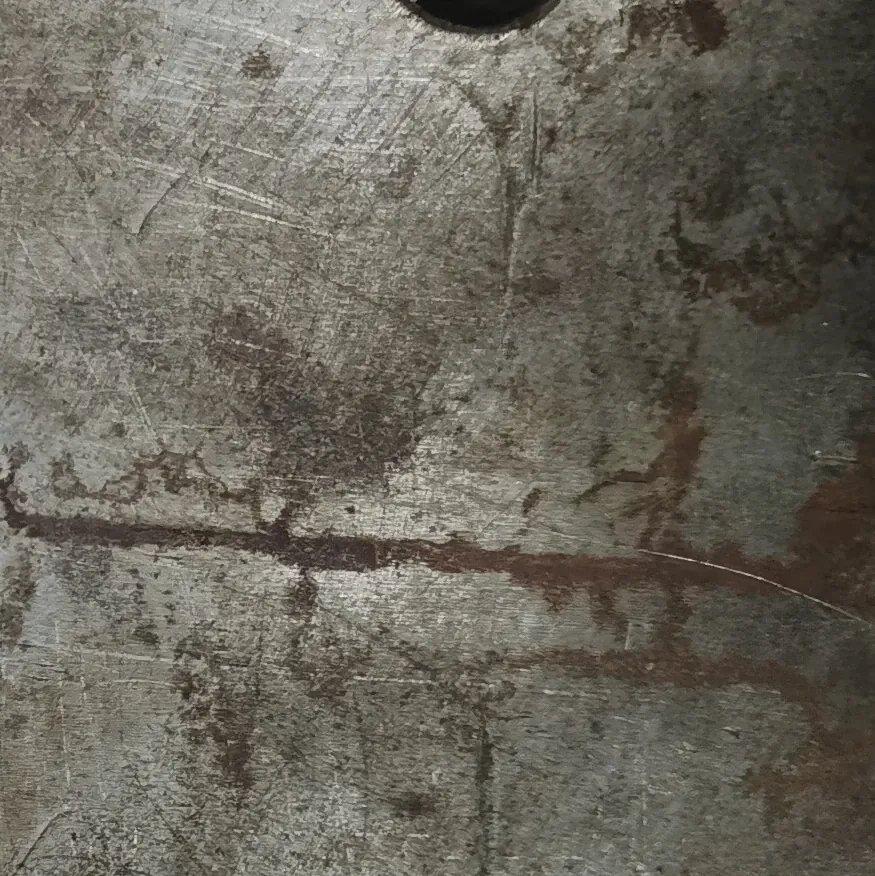
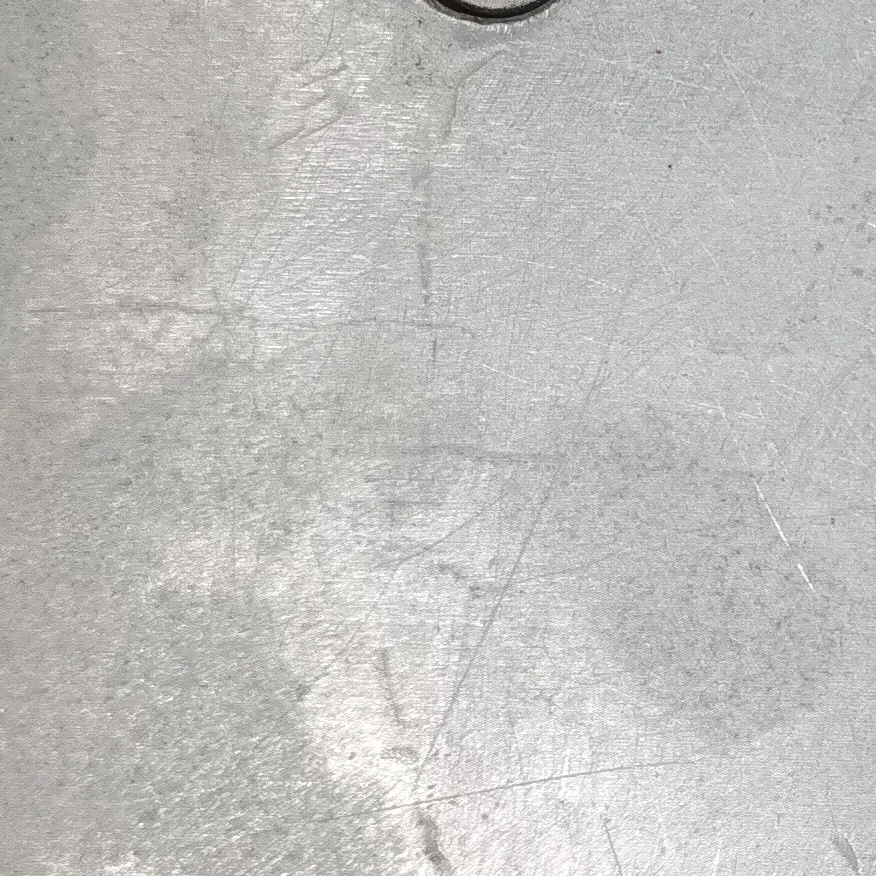
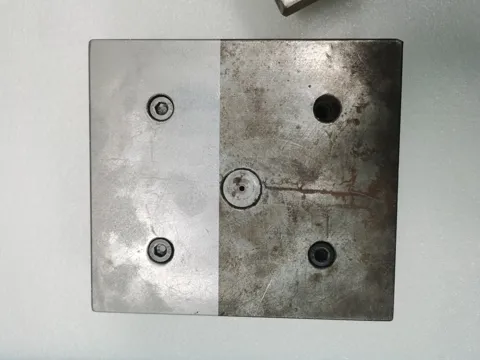
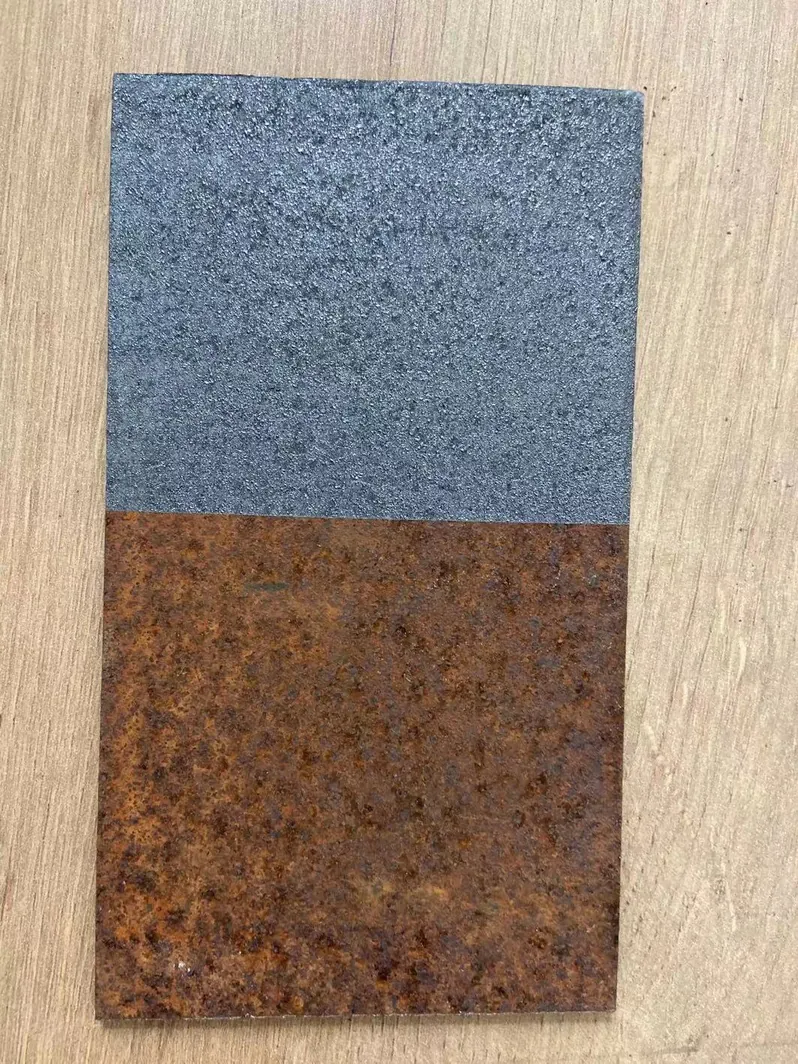
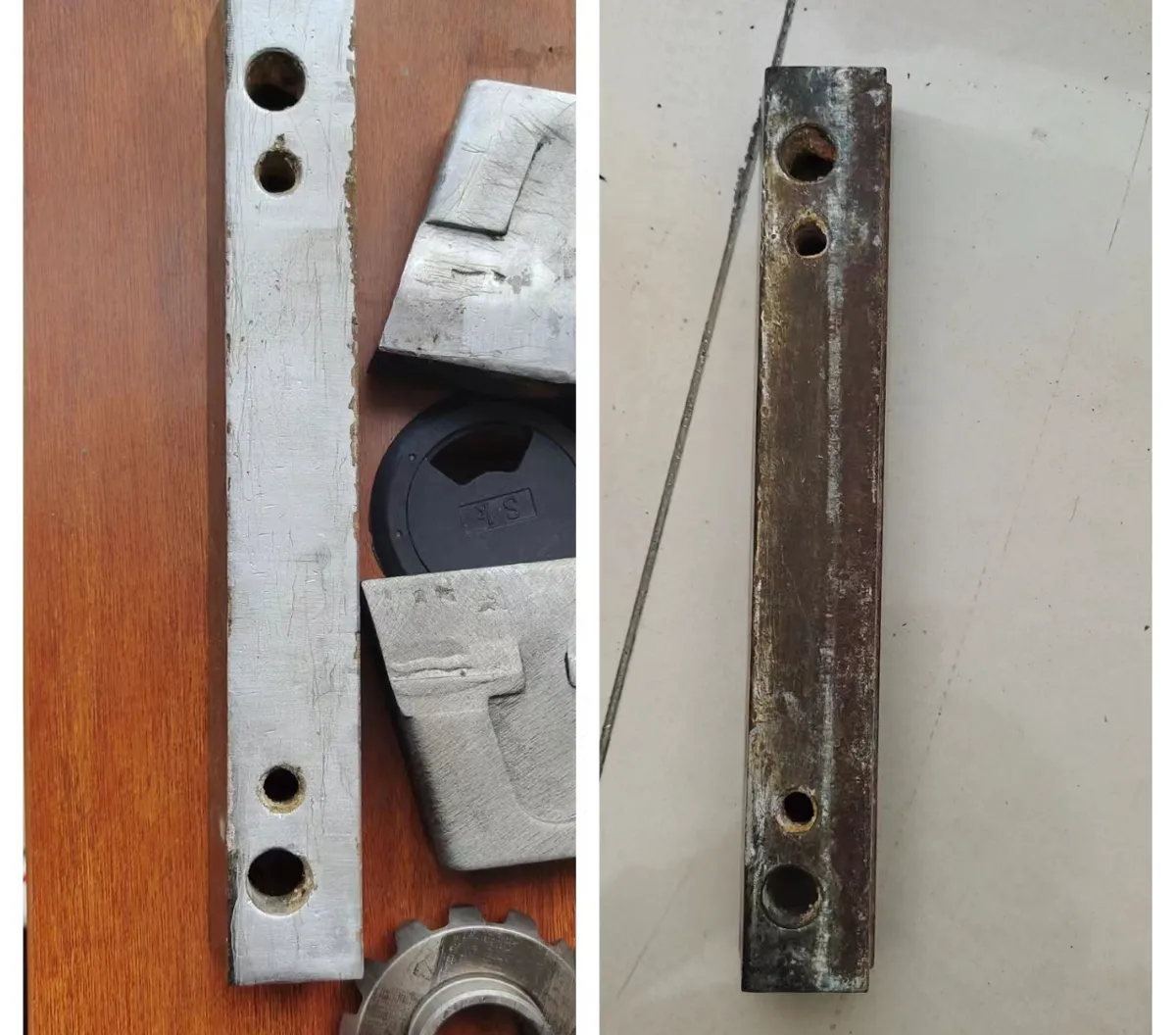
Rusted half of a steel plate before laser cleaning Laser cleaned half of the same steel plate after rust removal BeforeAfter
Original photo of the steel plate, half cleaned by laser and half still rustedBoth panels are cropped from this one photo: the rusted half and the laser cleaned half of the same plate, at matching hole positions.
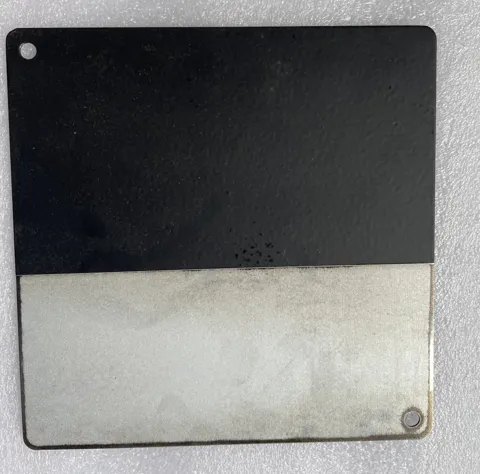
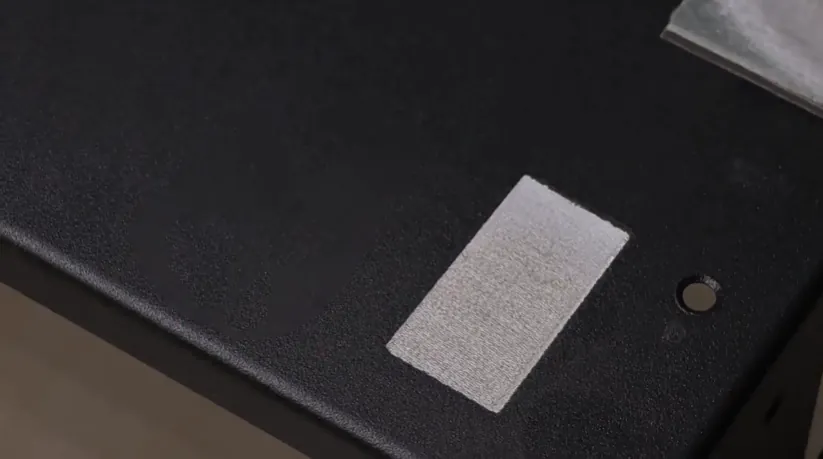
Black coated zone of a steel plate before laser coating removal Bare steel zone of the same plate after the laser cleaning machine removed the coating BeforeAfter
Original photo of a steel plate with the black coating removed from one halfBoth panels are cropped from this one photo: the coated half and the cleaned half of the same plate.

Before-and-After Results From Real Cleaning Jobs

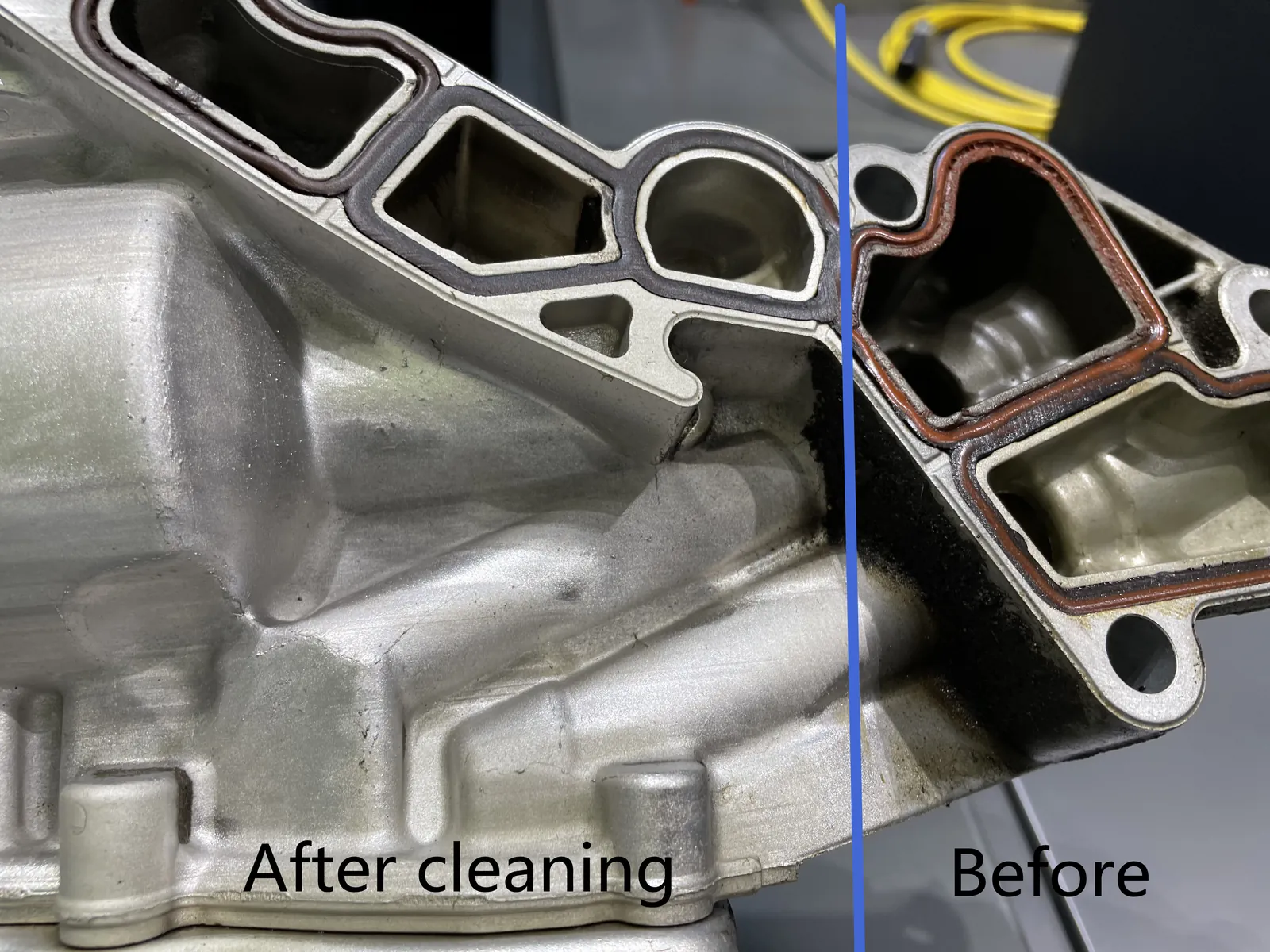
Every comparison on this site is a real photograph of a laser cleaned part: rust, coatings, oxide, oil, molds and wheel hubs, the same surface before and after. No cleaning speed or area figures come with them, because output depends on the layer, the machine and the settings.

Three things to read in every pair

  1. Base-metal colorAn even, metallic surface with no dark heat marks means the heat input was matched to the part.
  2. Residual powderOn pulsed rust removal, the surface after the second pass carries no loose rust powder.
  3. Edges and transitionsThe line between cleaned and uncleaned shows how precisely the beam was placed: it matters on weld zones, masked areas and mold details.
All laser cleaning results by contamination and material

All four lines use fiber lasers and clean without touching the part.NO MEDIA IMPACT · NO DISC WEAR · NO SOLVENT ON THE SURFACE

Four Industrial Laser Cleaning Machine Lines Compared

Pick the row that matches the part, then open the product page for the full parameter table.

LineModelsLaserCoolingFormSuited toKey specs
Air-cooled pulsedMW-LY100 / 200 / 300 / 400 / 500Pulsed fiber, 1064 nmAirCabinet trolleyThin sheet, precision parts, molds, high-value partsScan 100×100 mm (LY100) to 200×200 mm (LY500); 220 V
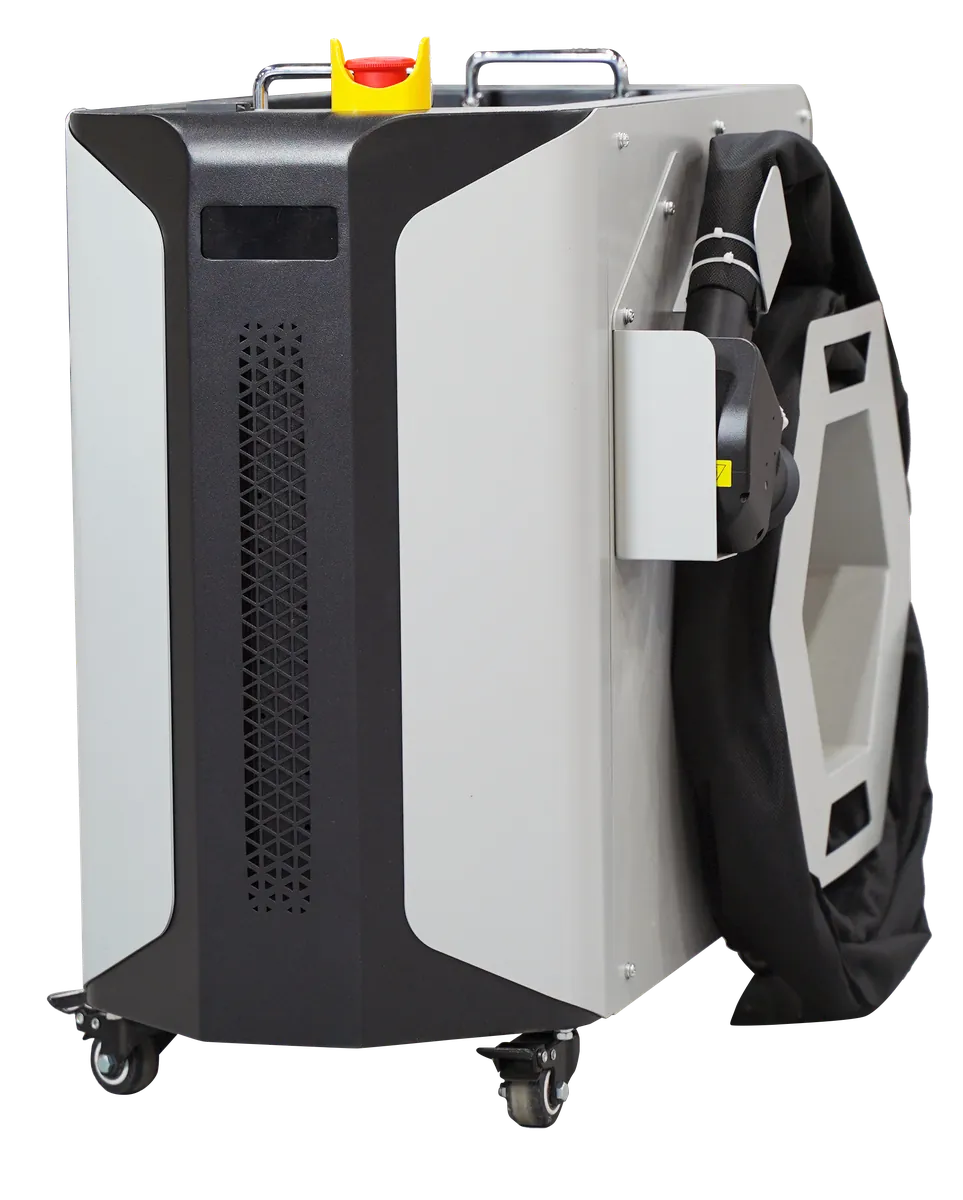
Water-cooled continuousMW-LCW1000 to 3000Continuous / modulated fiber, 1080 nmWater (chiller)CabinetThick plate, steel structures, large-area rust and paint, long shifts1500 to 3000 W; power stability <1.5%
Trolley-case portableMW-LC100 / 200 / 300Pulsed fiberAirTrolley caseOn-site repair, contractors24 V / 48 V supply; scan 0 to 100 mm
Backpack portableMW-LC50 series (LC50D backpack, LC50B flight case)Pulsed fiberAirCarried on the backWork at height, tight spaces, field maintenance, thin contaminationThin layers: light rust, oxide, residue films
All parameter tables: laser cleaning equipment overviewSwipe the table sideways
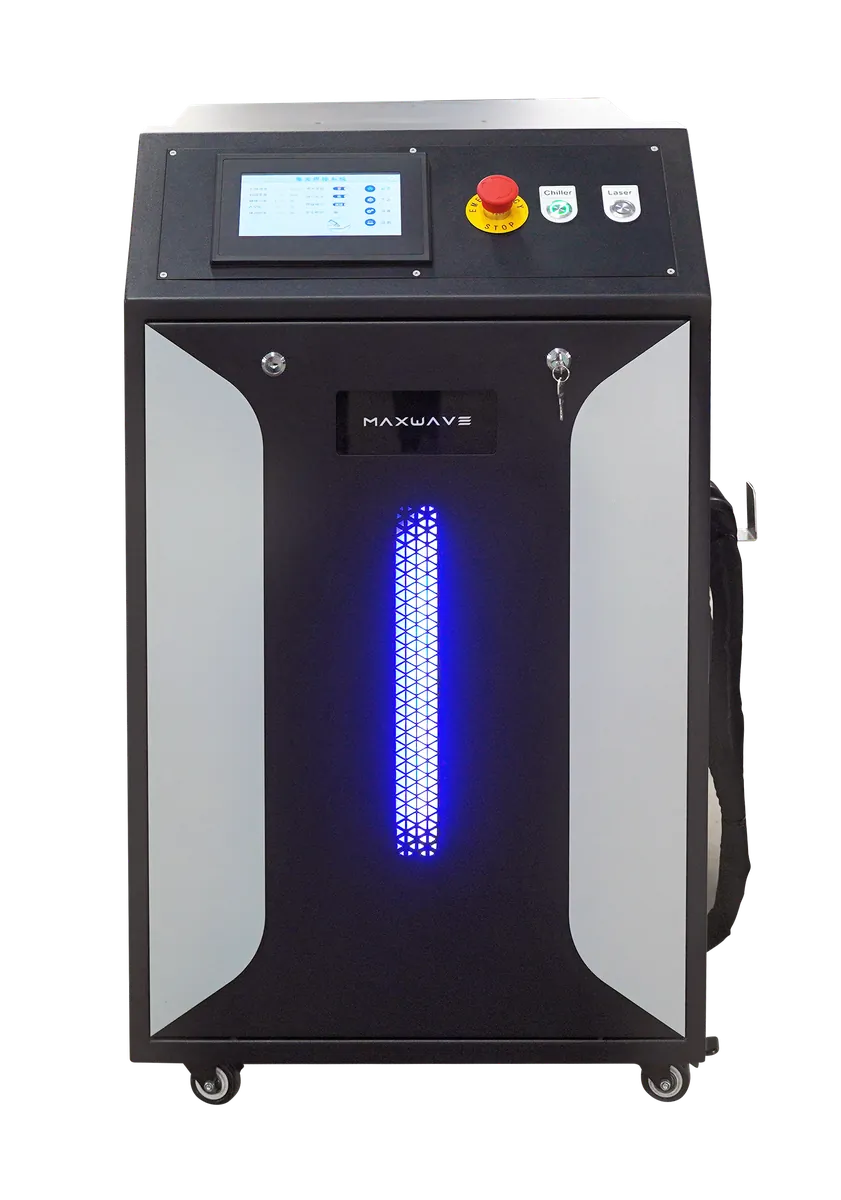
MW-LY air-cooled pulsed laser cleaning machine cabinet on wheels
MW-LY cabinet trolley

MW-LY Air-Cooled Pulsed Laser Cleaner

100 to 500 W average power from a pulsed fiber laser at 1064 nm, air cooled, in a cabinet on wheels. Made for thin sheet, precision parts, molds and high-value components, where every pass has to stay cool.

Scan width
100×100 mm (LY100) to 200×200 mm (LY500)
Frequency
1 to 3000 kHz; 4000 kHz on LY400 / LY500
Pulse width
13 to 500 ns
Power control
0 to 100% adjustable
Instability
<5%
Supply
220 V
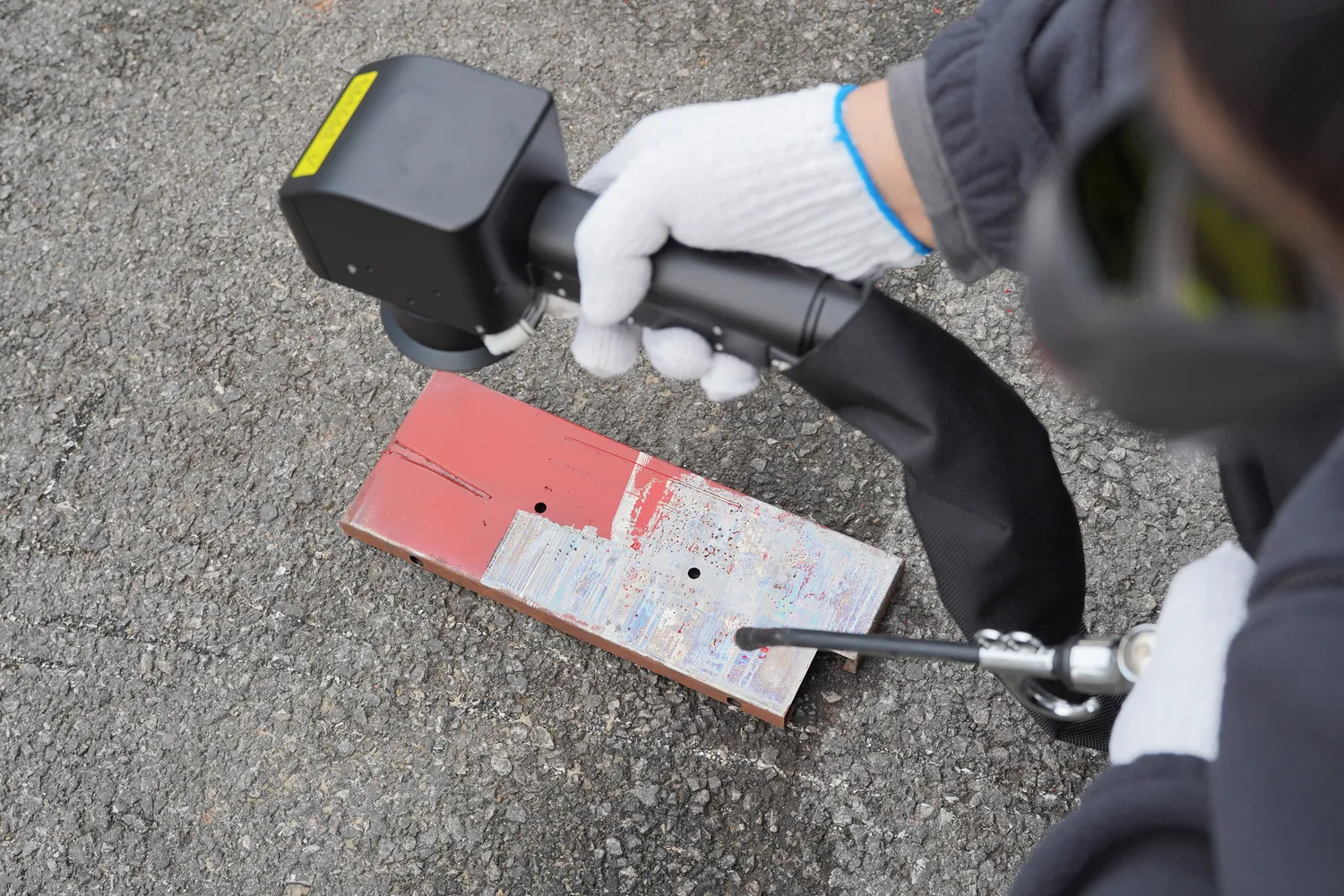
Operator with gloves cleaning a coated steel sample with the MW-LY handheld head
The handheld head on a coated sample. Details and every model: air-cooled pulse laser cleaner

MW-LCW Water-Cooled Continuous Laser Cleaning Machine

A continuous or modulated fiber laser at 1080 nm with a water chiller, for thick plate, steel structures and large-area rust and paint removal over long shifts.

Power
1500 to 3000 W
Stability
Below 1.5%, measured at 25 °C over 2 hours
Modes
Six cleaning modes; operators save their own settings in the process library
Fiber
15 m standard, or custom length
Supply
3000 W model on 380 V
Cabinet
1.8 mm sheet metal, A-grade paint, labelled wiring, three-color alarm light
Water-cooled CW laser cleaning machine
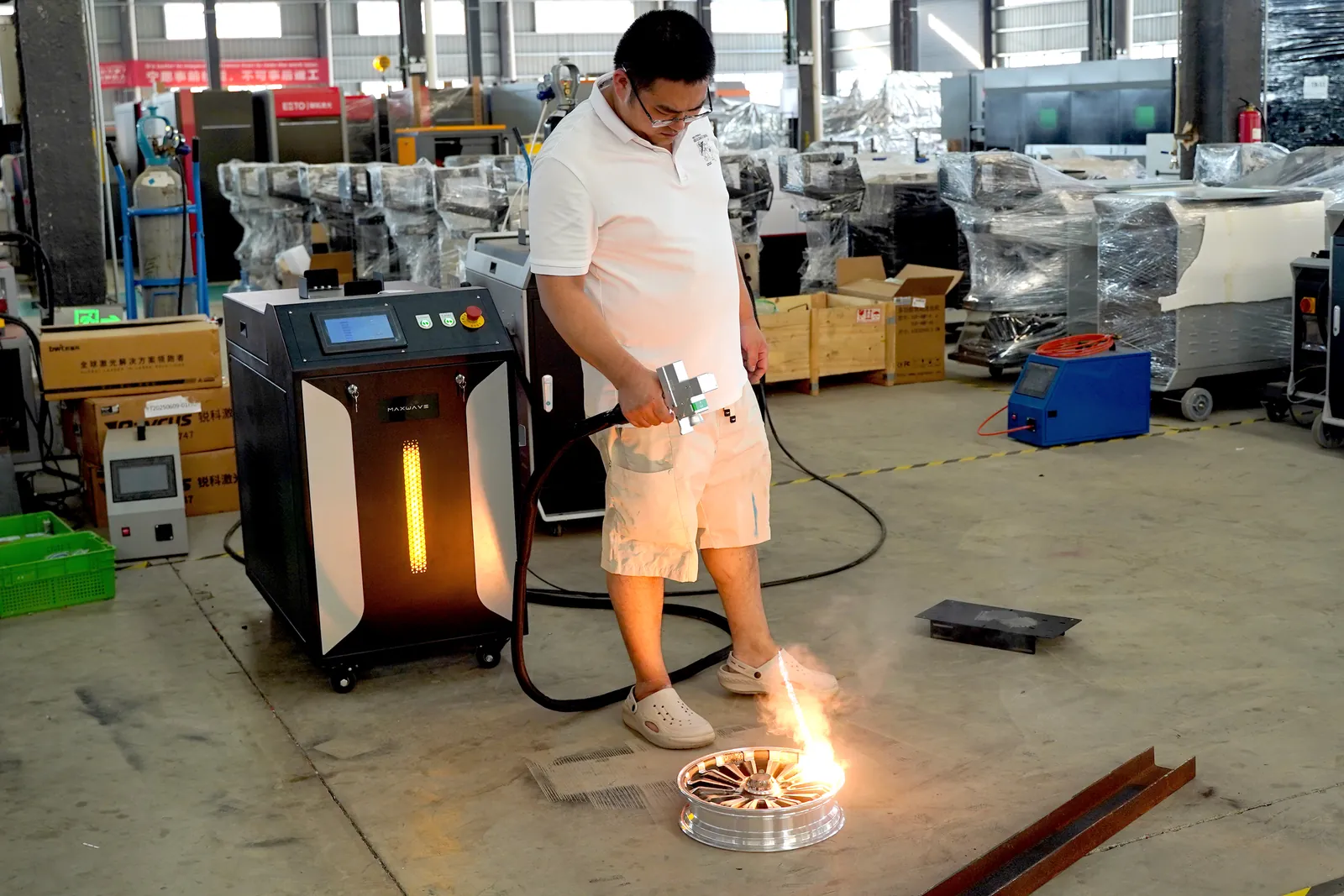
Operator running the MW-LCW1500 industrial laser cleaning machine on a wheel hub in the workshop
MW-LCW1500 cleaning a wheel hub on the workshop floor.
MW-LCW water-cooled continuous laser cleaner cabinet

Portable Laser Cleaners for Site Work: MW-LC and MW-LC50

When the part cannot come to the workshop, the laser goes to the part: by trolley case to the customer site, on the operator's back up a ladder.

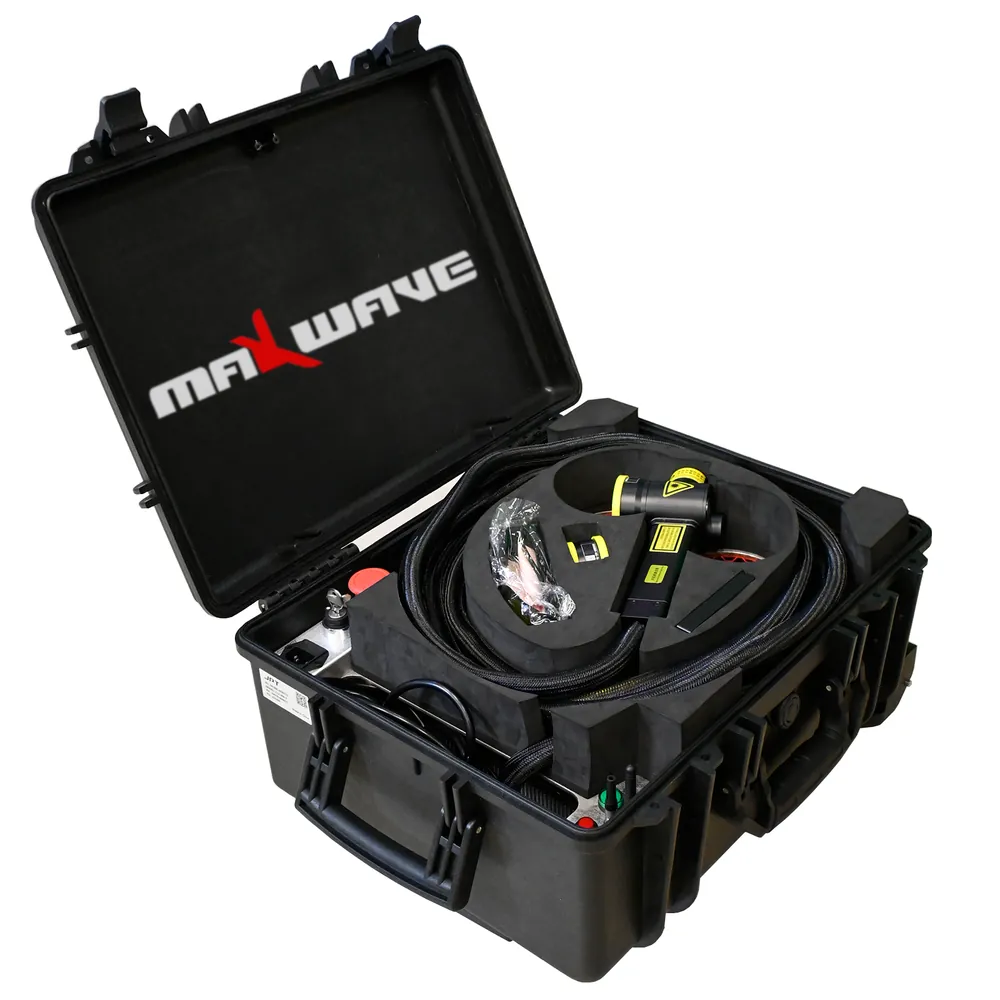
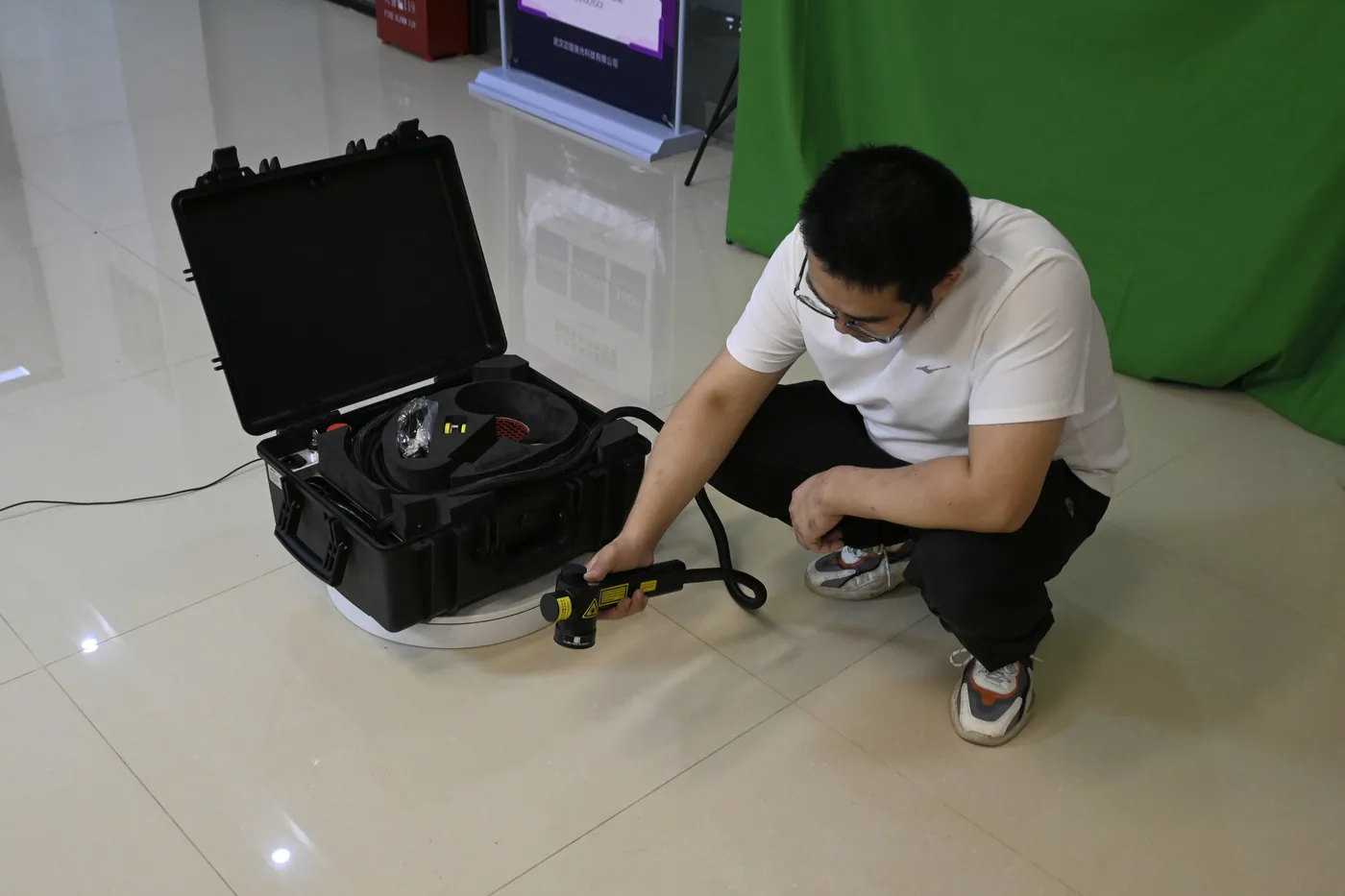
MW-LC trolley-case portable laser cleaner, case open with cleaning head
Technician setting up the MW-LC portable laser cleaner case on site

MW-LC100 / 200 / 300 trolley case

  • Pulsed, air-cooled laser for on-site repair and contract work
  • 24 V / 48 V supply; scan width 0 to 100 mm, continuously adjustable
  • 14 scan patterns; cleaning head under 0.75 kg
  • Control from the handle, or wirelessly from a phone
Trolley case laser cleaner
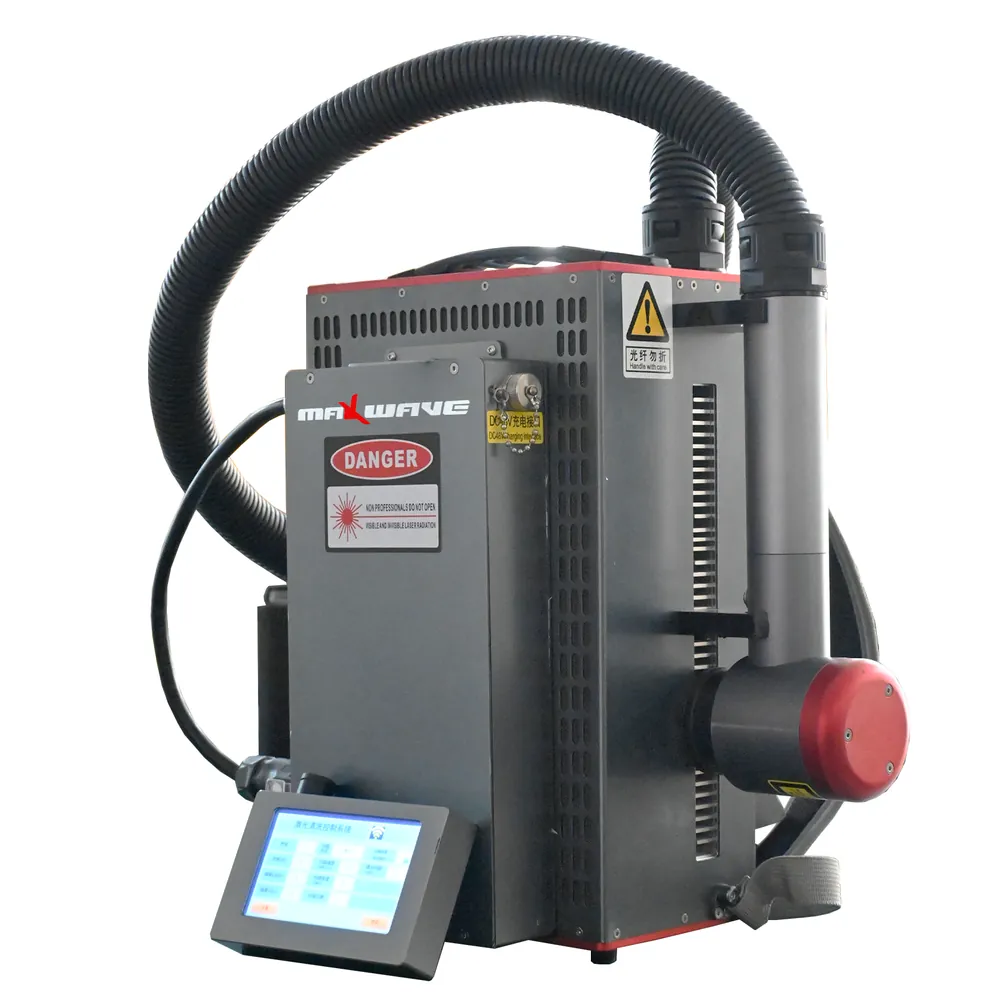
MW-LC50D backpack laser cleaning machine with control screen and fiber hose
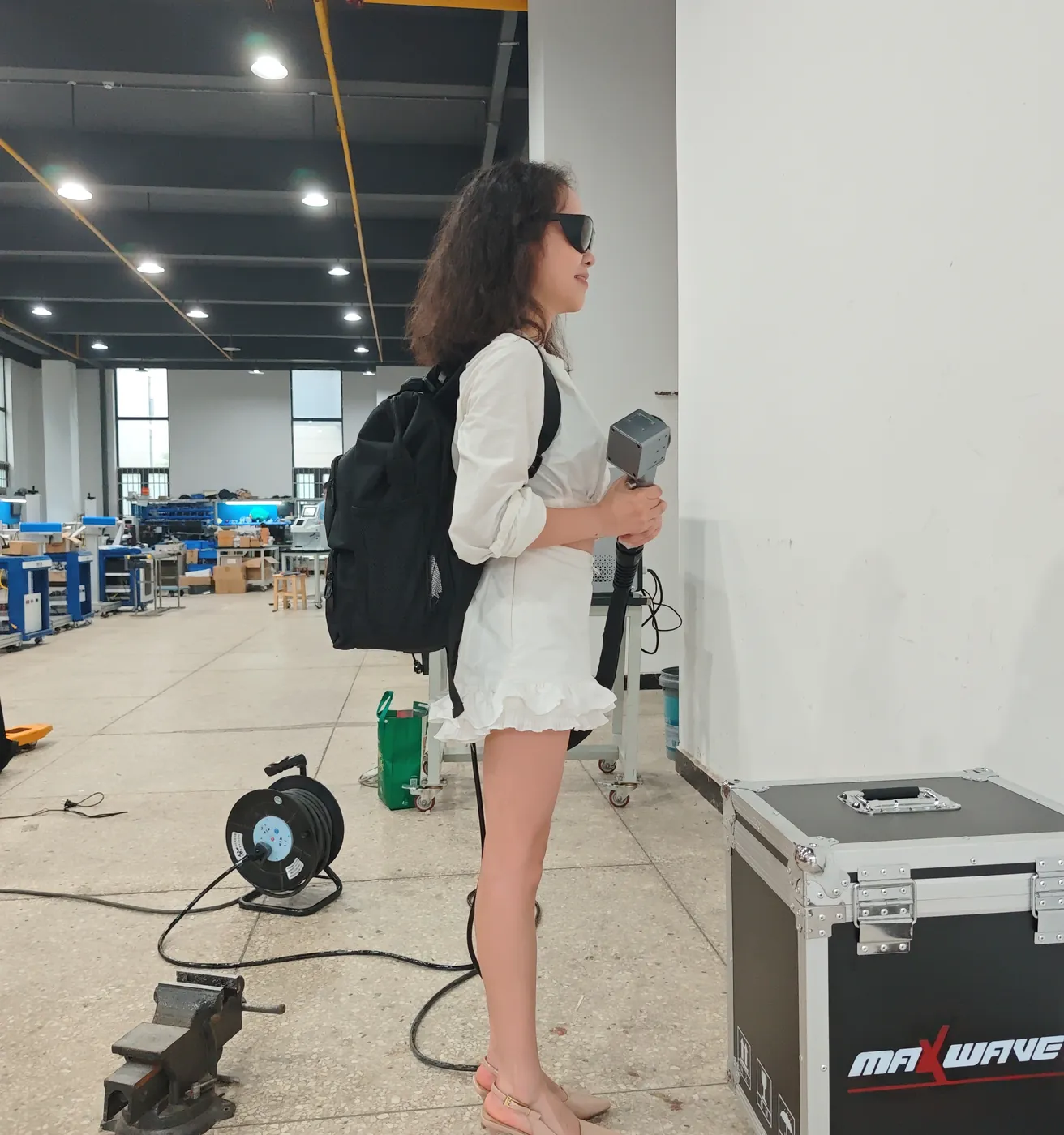
Operator wearing the MW-LC50 backpack laser cleaner with the handheld head

MW-LC50 backpack and flight case

  • Carried by the operator: work at height, confined spaces, field maintenance
  • Two builds: LC50D backpack, LC50B flight case
  • Pulsed and air-cooled, matched to thin layers: light rust, oxide, residue films
  • Goes where a cabinet or a trolley case cannot follow
Backpack laser cleaning machine

Five Factors That Match an Industrial Laser Cleaning Machine to Your Job

Each input narrows the choice. Engineers run all five on every request before naming a line.

  1. Material thickness

    Points to pulsedThin sheet, or any part where distortion is not acceptablePoints to continuousThick plate and structural steel
  2. Contamination layer

    Points to pulsedThin films: oxide, heat tint, light rust, in any form factorPoints to continuousHeavy rust and thick paint on large steel surfaces
  3. Precision

    Points to pulsedWeld zones, molds, edges, masked areas: scan width and pattern set to the featurePoints to continuousOpen, uniform surfaces where output counts more than detail
  4. Area and workload

    Points to pulsedOccasional cleaning of parts and tools, cabinet or portablePoints to continuousDaily cleaning of large surfaces over full shifts
  5. Work location

    WorkshopA cabinet unit on a fixed supplyOn siteTrolley case at customer sites; backpack at height or in tight spaces

Power Level, Heat Input and Substrate Distortion

Buyers often ask for the highest power to be safe. Power is sized to the part instead, because every extra watt is heat delivered to the base metal.

  • Pulsed: more power, more energy per pass

    On a thick mold block that shortens the job. On thin sheet or a precision part the same energy builds up faster than the part can shed it, and the surface can discolor or warp.

  • Continuous: power moves large areas

    The 3000 W model is the right call for heavy structural rust over long shifts. On thin sheet, the answer is a change of laser type, not a lower setting.
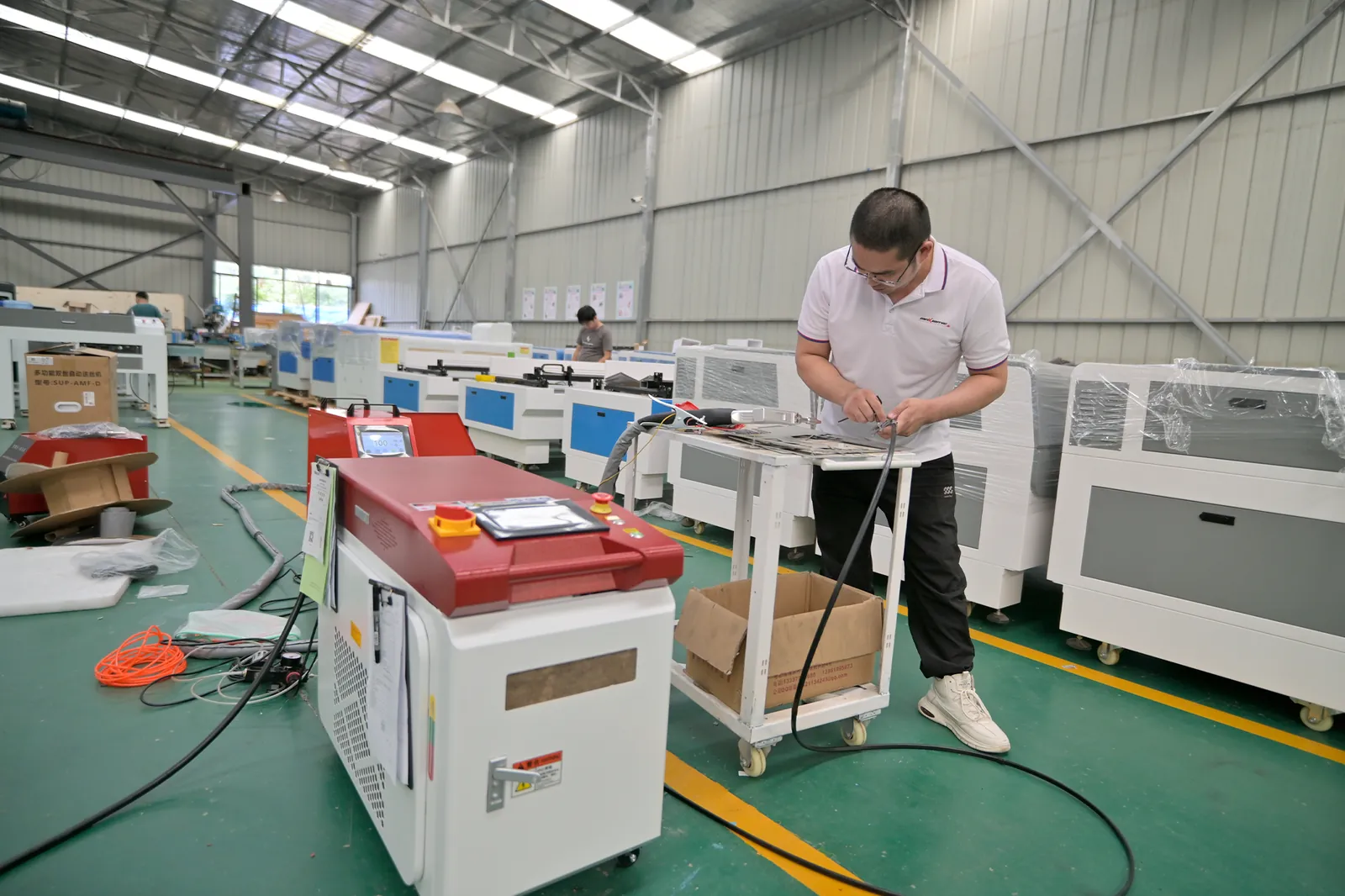
  • Every recommendation states its reason

    Power level comes with the thickest and thinnest parts you clean, the layer and the daily area, so you can check the logic yourself.

MW-LY: five power steps, scan width matched to each

LY100100 W · 100×100 mm
LY200200 W · 150×150 mm
LY300300 W · 175×175 mm
LY400400 W · 175×175 mm
LY500500 W · 200×200 mm

Average power class and scan field per model; power adjustable 0 to 100% on every step.

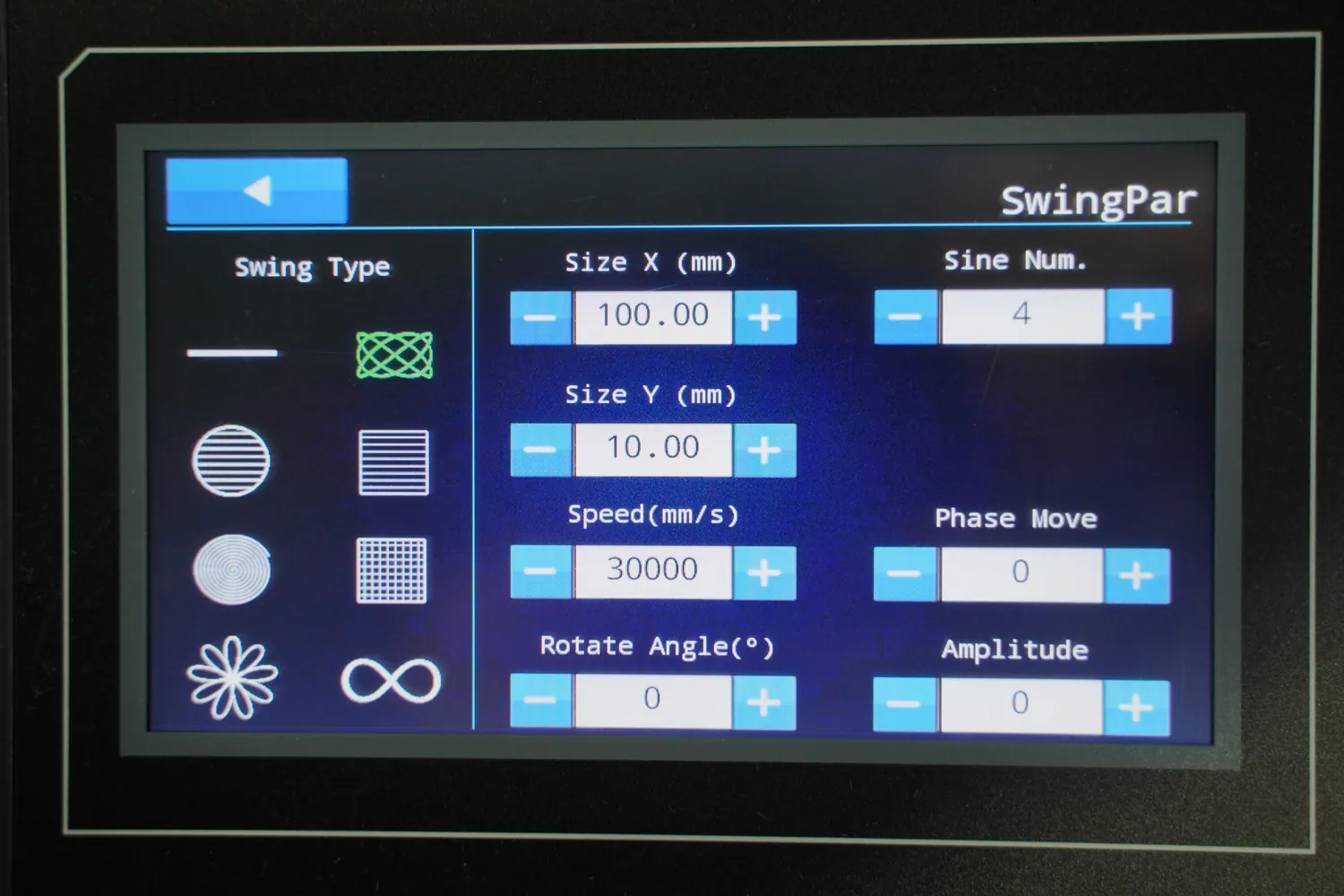
Laser cleaning machine control screen with scan size, speed and swing settings
Scan size, speed and pattern are set on the control screen for each pass.

Send a Photo of the Part

Material, thickness, contamination and one photo. An engineer replies with line, power level and options.

PHONE / WHATSAPP +86 153 2715 5363 Call now

Laser Cleaning Applications and Matching Machines

Five application areas, each mapped to the lines that handle it.

All laser cleaning applications

Gloved operator holding a laser cleaner head over a steel sample
CLASS 4 LASER PRODUCT

Laser Safety and Fume Extraction on Site

Every machine in the range is a Class 4 laser product, and laser cleaning removes material as fume and particles. Four things to prepare before the machine arrives:

Controlled work area

Closed off or screened, access limited to trained operators: the beam and its reflections off metal can injure eyes and skin.

Personal protection

Laser safety eyewear rated for the wavelength (1064 nm pulsed, 1080 nm continuous), plus gloves and protective clothing.
Fume extraction

An extraction unit with its intake close to the cleaning point, so paint, rust and coating particles are captured at the source.

Power and cooling

220 V for MW-LY, 380 V for the 3000 W MW-LCW plus a chiller location, 24 V or 48 V for MW-LC portables.

Installation instructions and operating tutorials cover safe setup of each machine.

Laser Cleaning Compared With Blasting, Chemicals and Grinding

The operating difference shows up in four places: what you buy, what you build around the job, what you throw away and what touches the part.

Laser cleaningAbrasive blastingChemical strippingGrinding
ConsumablesNo abrasive media, solvents or discsBlast mediaSolvents and strippersGrinding discs
Site preparationControlled laser area and fume extractionMedia containment and recoveryDip tanks or containmentDust control around the operator
WasteRemoved layer collected by the fume extractorSpent media to dispose ofUsed chemical to dispose ofSwarf and worn discs
Contact with the partNone: the beam does not touch the surfaceMedia impact on the surfaceChemical on the surfaceDisc wear on the surface
Laser cleaning a steel column on a fabrication line
Contractors weighing a switch from blasting: laser surface preparation for contractors
Technician assembling a laser cleaning machine on the assembly floor
Assembly and electrical installation on the production floor.

Seven Systems Behind Every MAXWAVE Machine

  1. R&D and customization

    Builds to customer requirements, including robot-assisted and train-wheel cleaning systems.
  2. Core components

    Laser source, cleaning head, protective optics, electrical system and structure, specified per line.
  3. Controlled manufacturing

    A fixed sequence from incoming inspection to final testing.
  4. Quality inspection

    Every unit tested before it leaves, and buyers can watch the inspection.
  5. Export packaging

    Cushioning, secure fixation, separate protection for vulnerable components, handling labels.
  6. International shipping coordination

    Shipping arrangements, export documentation and tracking.
  7. After-sales
    Instructions, tutorials, maintenance videos, remote engineering guidance, troubleshooting, spare parts.

CE (Machinery Directive) attestations list the MAXWAVE laser cleaning machine models, and production runs under an ISO 9001 quality management system. Certificates and each system in full: About Us.

Core Components and Factory Testing Before Shipment

A laser cleaner works as long as its optics, power supply and electrical cabinet do. Those are the parts specified with care, and tested before a machine ships.

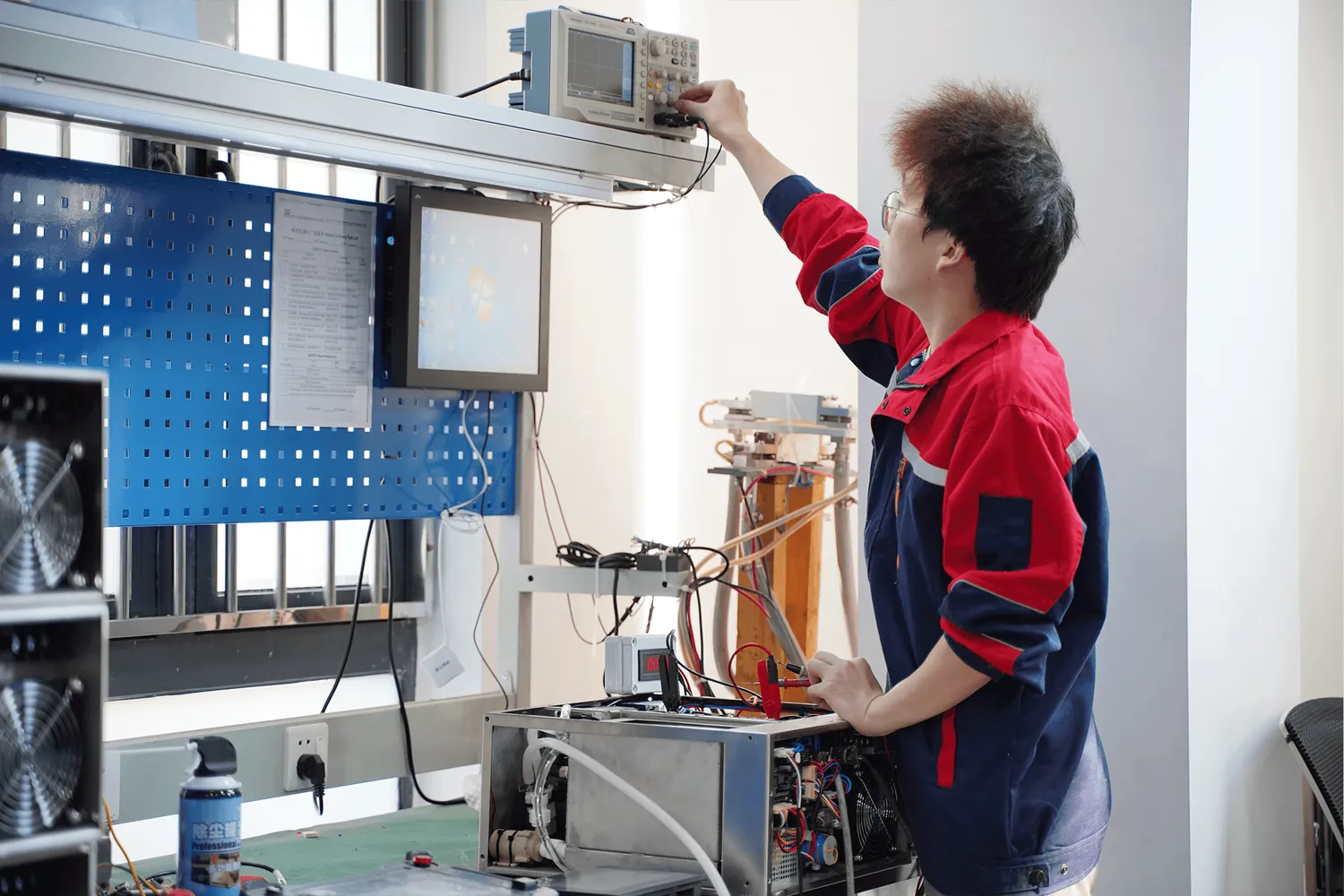
Technician running final tests on laser equipment at the test bench
Final testing
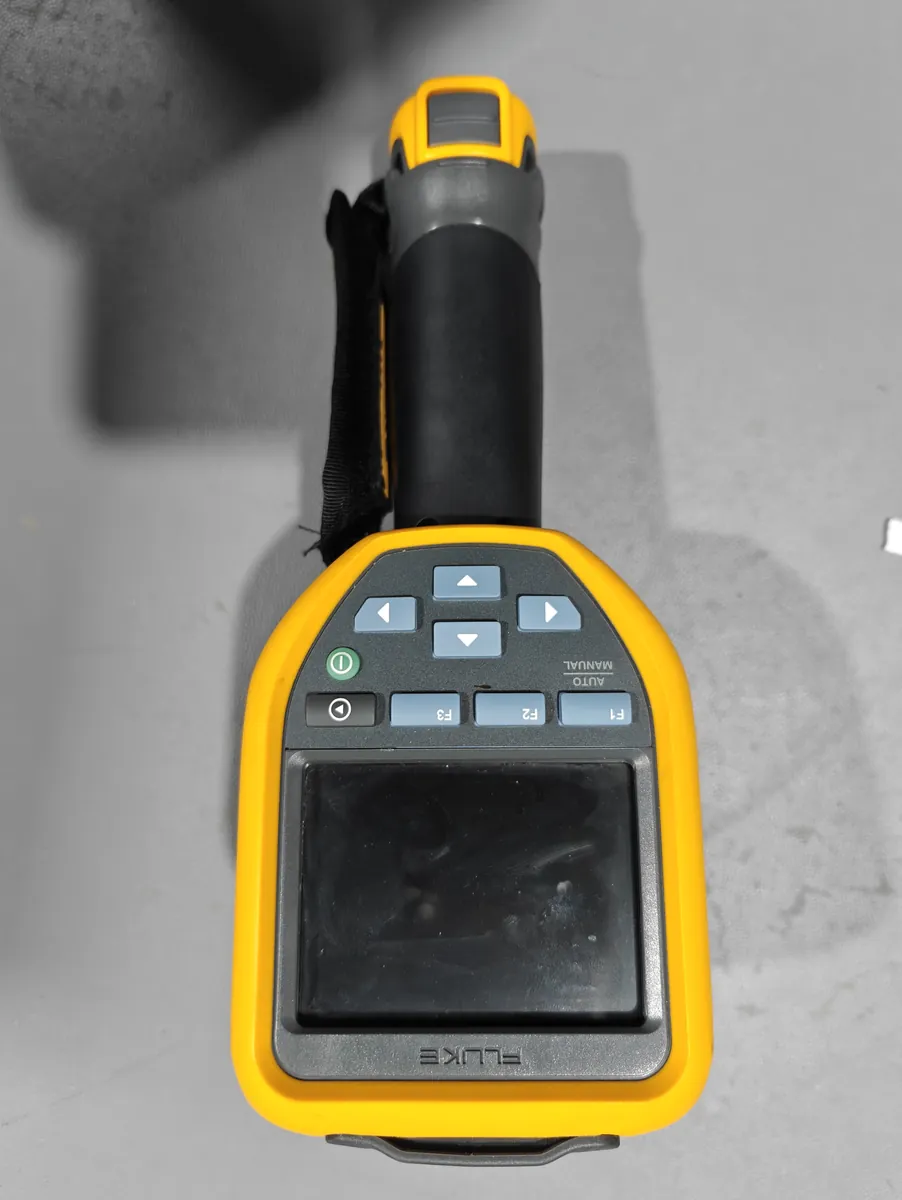
Fluke thermal imager used to check laser cleaner components
Fluke thermal imager
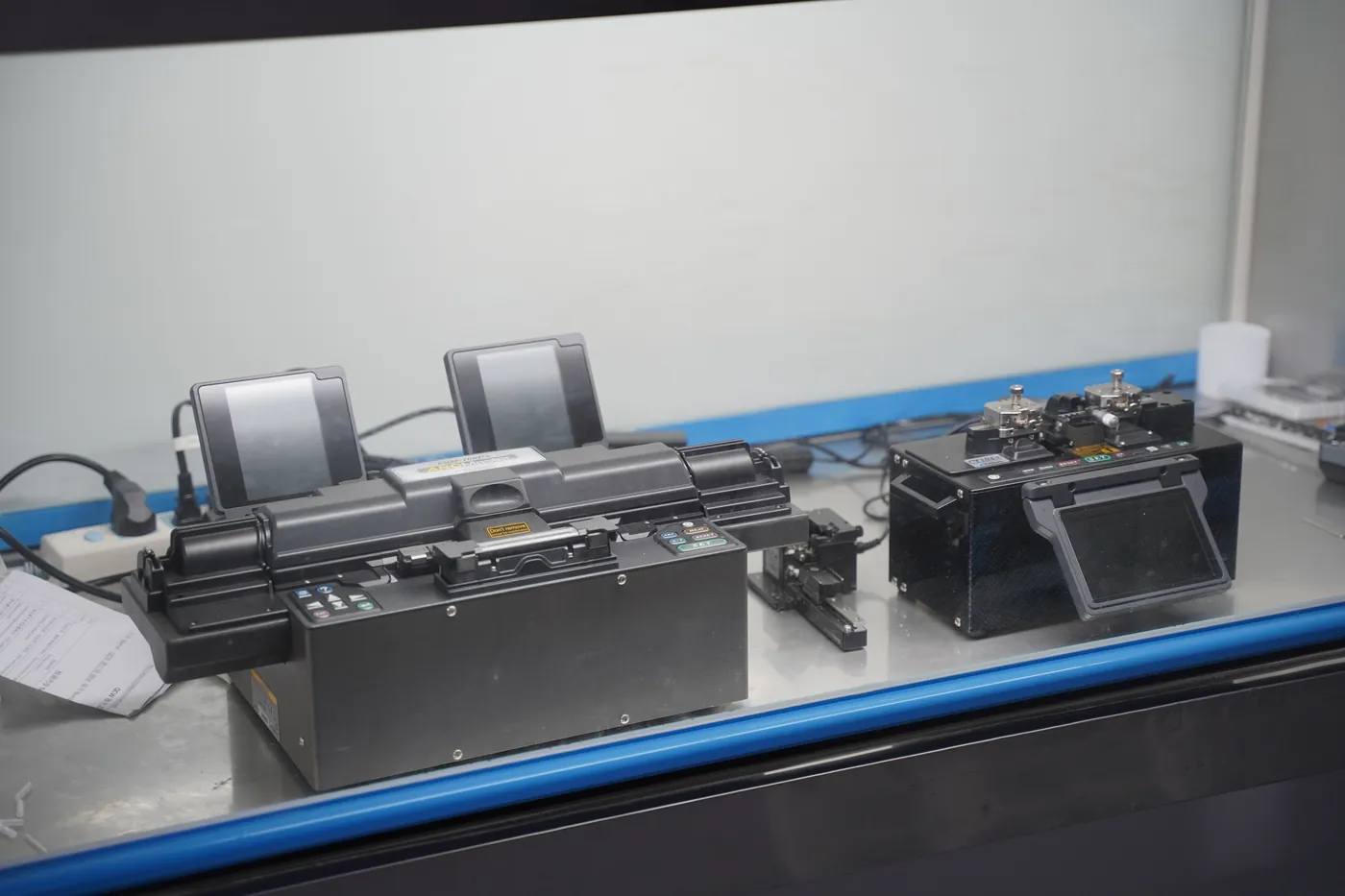
Fiber cleaving and splicing equipment on the test bench
Fiber cleaving and splicing
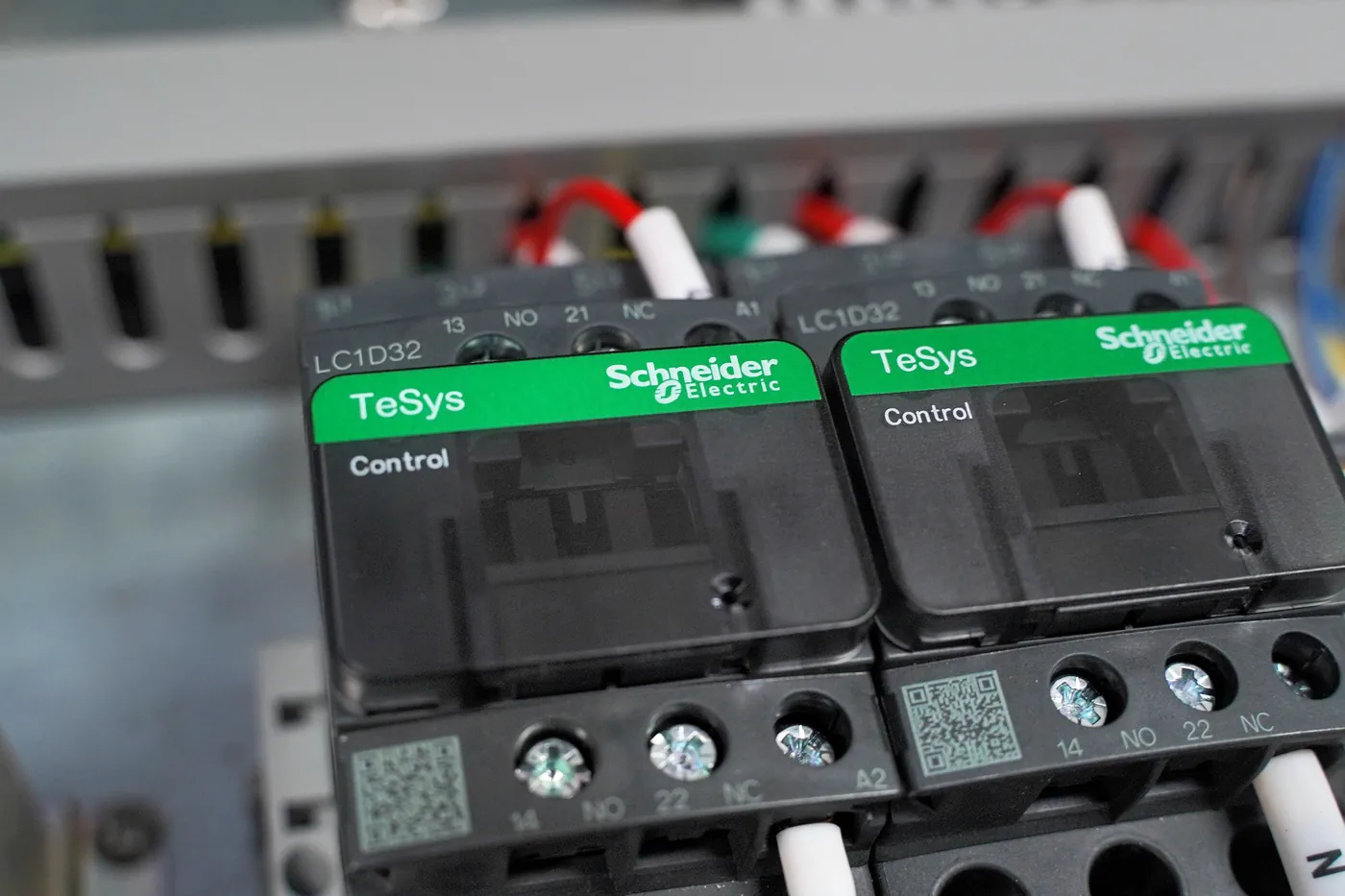
Schneider electrical components inside the laser cleaning machine cabinet
Schneider electrical parts
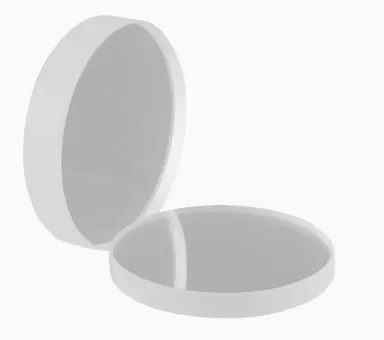
Quartz protective lenses for the laser cleaning head
Quartz protective lens

Components fitted

  • Quartz protective lenses between the head optics and the fume and particles thrown off the surface
  • Schneider electrical components and Mean Well power supplies
  • Reinforced cabinet on the continuous line

Six steps, fixed order

  1. Incoming component inspection
  2. Mechanical assembly
  3. Electrical installation
  4. Software configuration
  5. Commissioning
  6. Final testing: output power, stability, pulse parameters, optics, cooling, overall performance

Two ways to check your unit

  • Pre-shipment inspection: you or your agent inspect the machine before it is packed
  • Remote video inspection: the machine runs on camera, output and settings shown, before it ships
  • Each configuration goes into the customer equipment records, so later spare parts and guidance match your exact unit

Custom Laser Cleaning Systems and Automation

When a handheld or cabinet unit does not fit the part or the production line, the system is built to the requirement. Custom work starts from four inputs:

  • The part and its size
  • The layer to remove
  • The cleaning position
  • How the system fits your line

Custom laser cleaning system

Recorded project 1

Robot-assisted laser cleaning

A self-propelled robot paired with a laser cleaning machine, for surfaces that are too large or too repetitive for an operator to cover by hand.
Recorded project 2

Train-wheel cleaning equipment

Large laser cleaning equipment built for railway wheels, with the cleaning head positioned around the wheel profile.

After-Sales Support for Your Operators

Support is built around the people running the machine, and around the exact unit they run.

Installation
Instructions ship with every machine
Operating tutorials
Walk operators through machine settings
Maintenance videos
Routine care of the machine, step by step
Troubleshooting
Remote engineering guidance from your photos and videos
Spare parts
Matched to your unit through the customer equipment records

Support and maintenance · Distributors and OEM buyers: OEM and wholesale

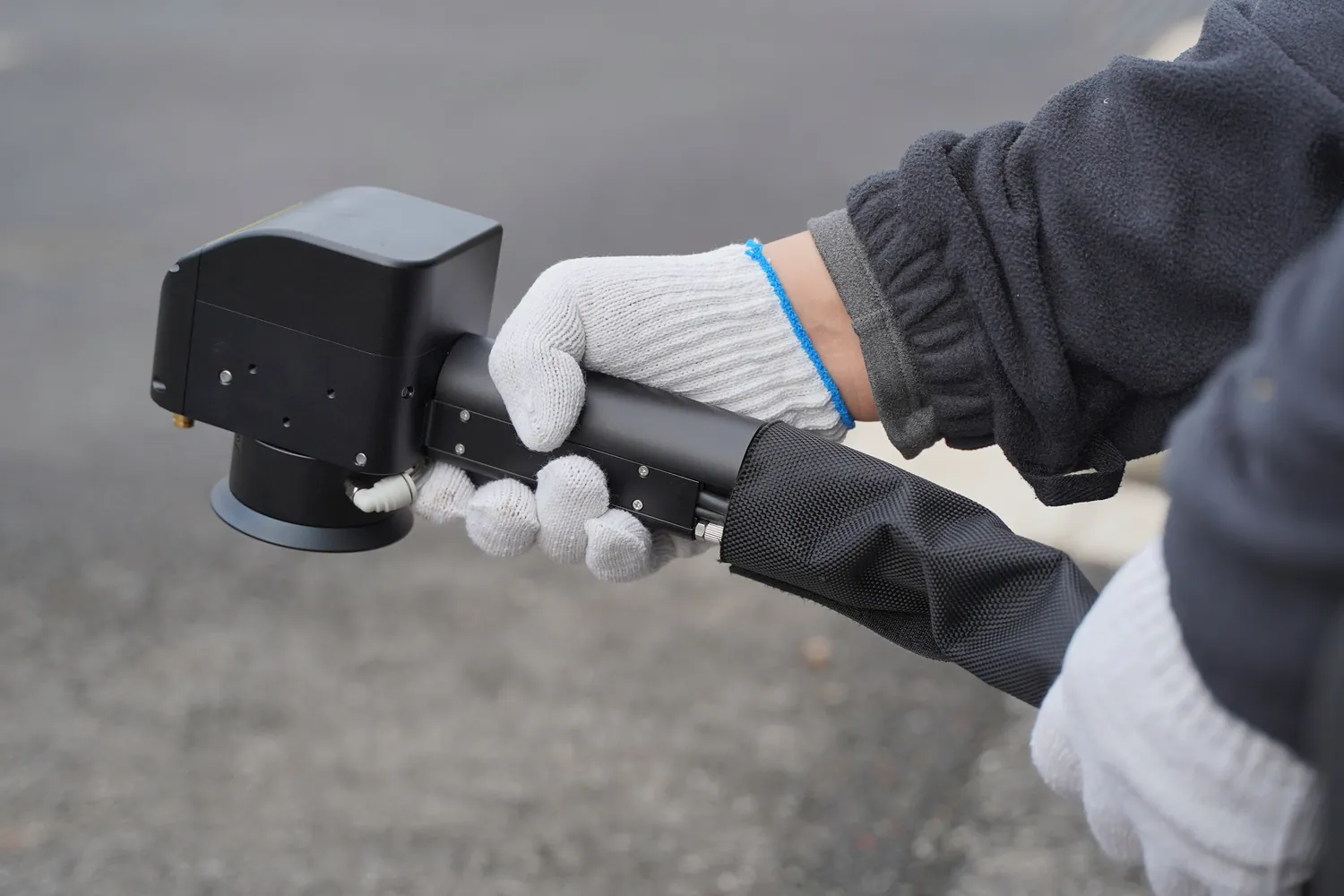
Operator gripping the laser cleaner handheld head during training
Handheld head in use
Laser cleaning head with focusing optic for routine maintenance
Cleaning head optics

From Your Photo to a Machine Recommendation

Before an industrial laser cleaning machine is named, the material, its thickness and the layer are checked. This is what happens to your request.

  1. STEP 1

    You send the job

    Material and thickness, the contamination, area and workload, where the work happens, and a photo of the part.
  2. STEP 2

    An engineer reads it

    Pulsed or continuous, the power level and the form factor. Limits, such as rust the beam cannot reach, are flagged from the photos.
  3. STEP 3

    You get a configuration

    Line, power level and options, each with the reason. Before dispatch, the unit is shown on pre-shipment or remote video inspection.

Get a Quote for Your Cleaning Job

Send the requirement and an engineer recommends an industrial laser cleaning machine configuration: line, power level and options. For a specific answer, include:

  • Material: steel, stainless steel, aluminum or other, with thickness
  • Contamination: rust, paint, coating, oxide, oil or residue
  • Area and workload: part size and surface cleaned per day or week
  • Application: production cleaning, maintenance, weld preparation, mold cleaning or contract work
  • Country: where the machine will be used
  • Photos of the part and the contaminated surface

Phone / WhatsApp: +86 153 2715 5363 · Call